/ Contact Us
Zhejiang Gechi Electric Co., Ltd.
Xinguang Industrial Zone, Liushi Town, Yueqing, Wenzhou, Zhejiang, China.
+86-0577-62620730
/ Contact Us
Zhejiang Gechi Electric Co., Ltd.
Xinguang Industrial Zone, Liushi Town, Yueqing, Wenzhou, Zhejiang, China.
+86-0577-62620730





2025-09-11
Introduction: Ensuring Reliable Power Transfer
Automatic Transfer Switches (ATS) are essential components in modern power distribution systems. They provide a seamless transition between utility power and backup generators, ensuring continuous electricity supply for residential, commercial, and industrial applications. Integrating ATS with smart monitoring solutions enhances the visibility and control of power systems, allowing operators to respond quickly to changing conditions and prevent potential disruptions.
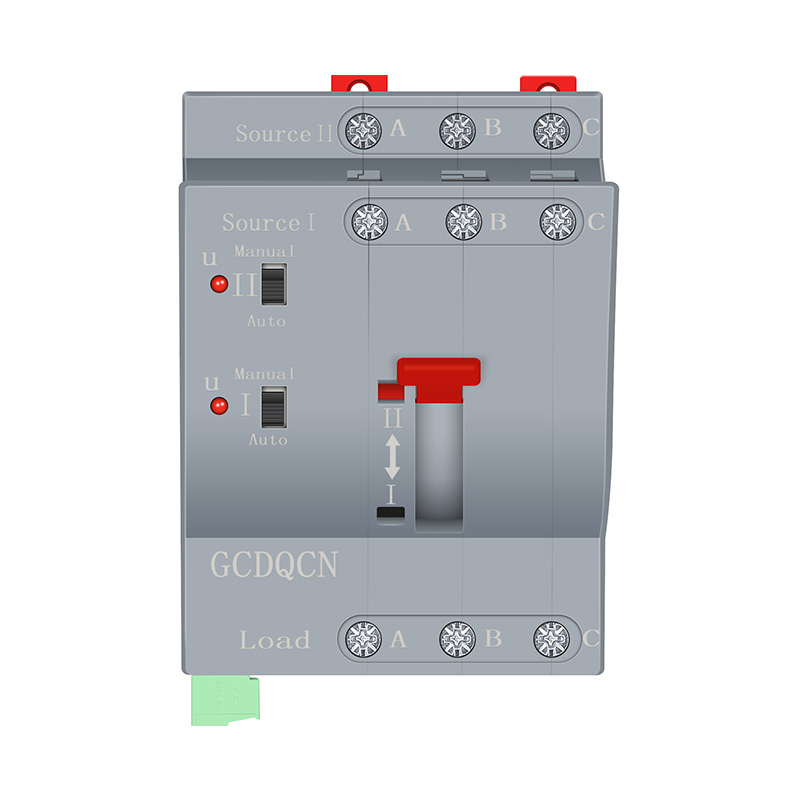
Understanding ATS Changeover Switch Generators
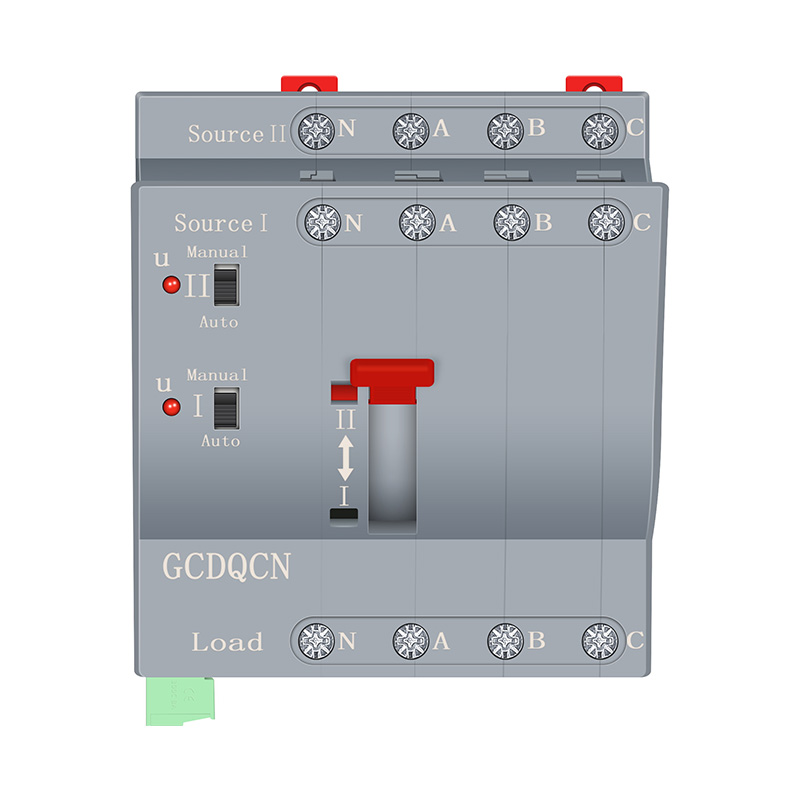
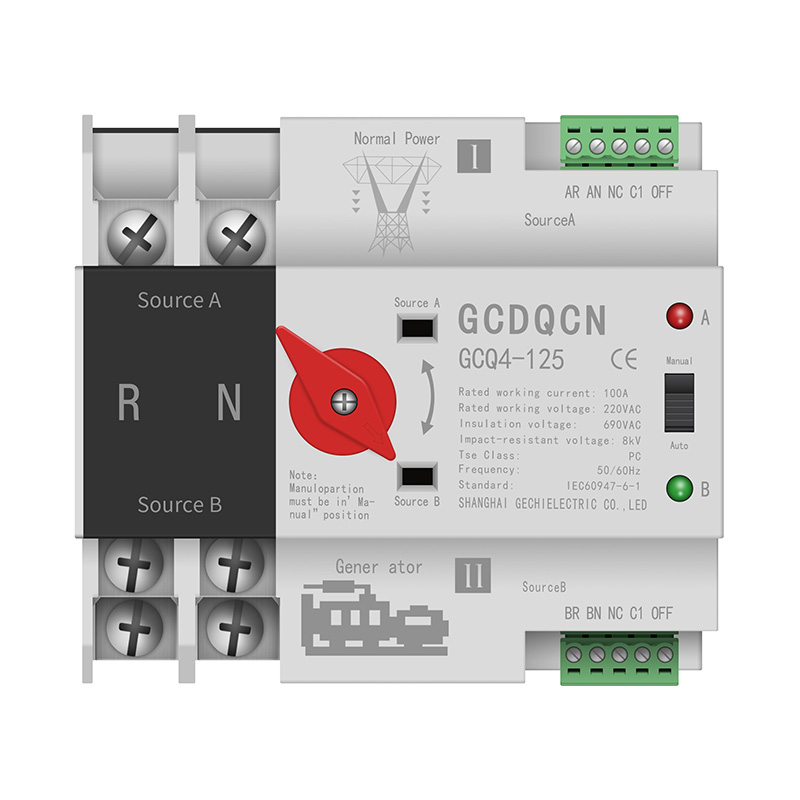
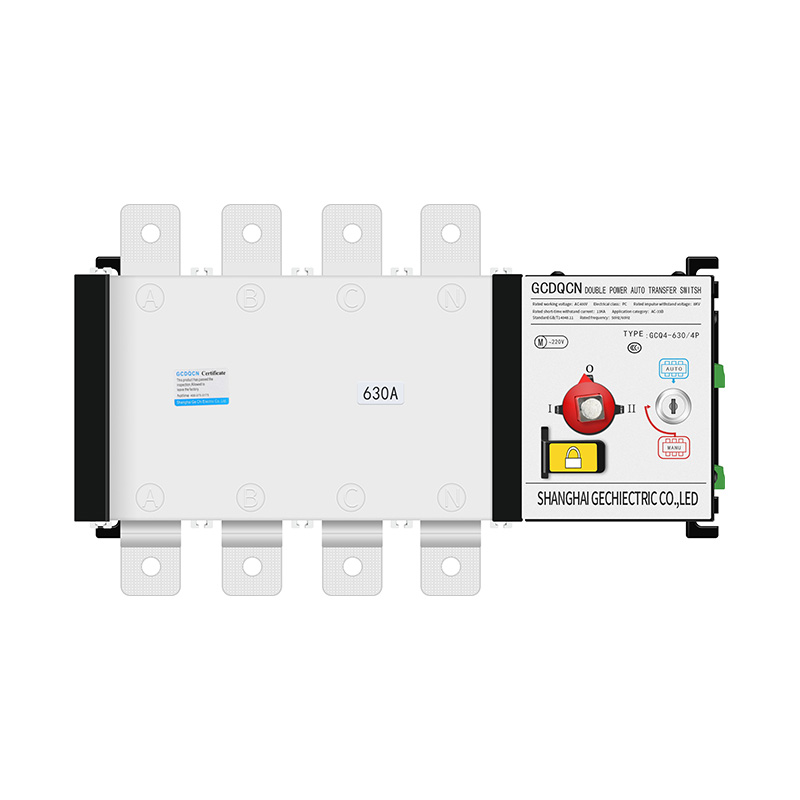
An ATS changeover switch generator plays a crucial role in maintaining uninterrupted power. When the main power supply fails, the ATS automatically detects the outage and switches the load to the generator. This process reduces downtime and ensures that critical systems remain operational. Modern ATS units support both single-phase and three-phase applications and can handle a wide range of power loads. By integrating the switch with a generator, operators can achieve a reliable power transfer system without the need for constant manual supervision.
The Role of Manual ATS Switches
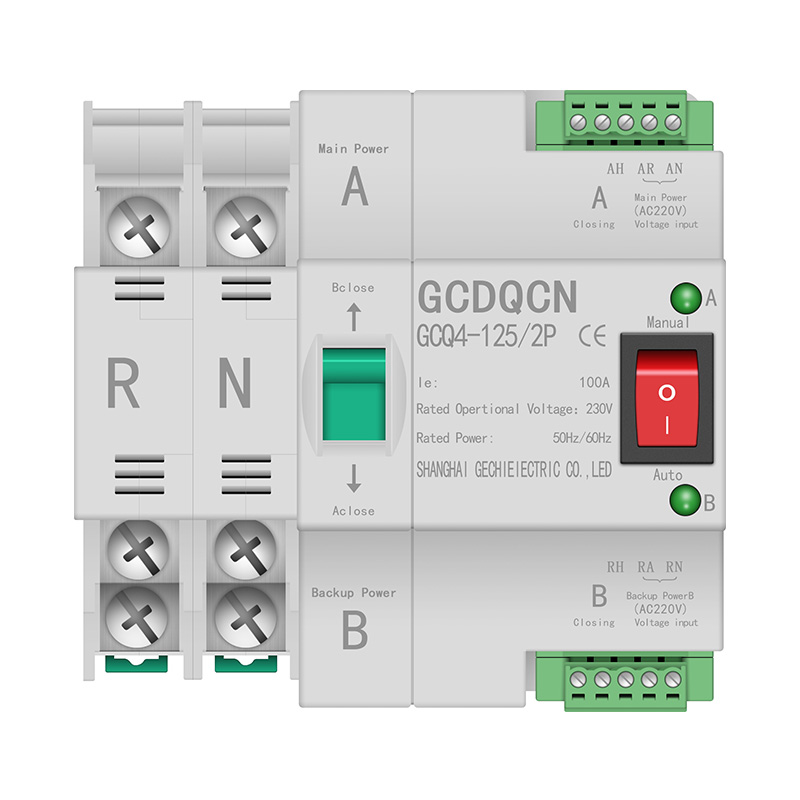
While automatic systems are convenient, manual ATS switches remain relevant in specific applications. A manual ATS switch allows operators to control power transfer directly, offering flexibility in maintenance or testing scenarios. It provides a backup option if the automatic system encounters a fault. Manual switches are commonly used in smaller installations or areas where smart monitoring systems are not available, ensuring that users can still manage power transitions safely and efficiently.
Benefits of Integrating Smart Monitoring Solutions
Integrating smart monitoring with ATS systems provides several operational advantages. Real-time data collection allows facility managers to monitor voltage, current, and frequency levels for both the main supply and backup generators. Alerts and notifications can be configured to inform operators about abnormal conditions, such as delayed transfer times, generator faults, or load imbalances. This proactive approach helps prevent minor issues from escalating into serious power failures.
Remote Management and Analytics
Smart monitoring solutions often include remote management capabilities. Operators can access ATS status and control switches via secure online platforms, reducing the need for on-site personnel. Historical data analysis can identify patterns of power interruptions or generator performance trends, assisting in preventive maintenance planning. The combination of ATS changeover switch generators with remote monitoring enhances the overall reliability and efficiency of the power system.
Application Scenarios
ATS with smart monitoring solutions is suitable for various settings. In hospitals, it ensures life-support equipment remains powered during outages. In data centers, continuous operation of servers is critical, and ATS integration prevents costly downtime. Manufacturing facilities benefit from uninterrupted production lines, while commercial buildings maintain lighting, HVAC systems, and security systems without interruption. Even residential complexes can gain from intelligent ATS setups, providing peace of mind during utility failures.
Installation and Maintenance Considerations
Proper installation and maintenance are key to increasing the benefits of ATS systems with smart monitoring. Ensuring compatibility between the ATS, generator, and monitoring platform is essential. Periodic testing of both automatic and manual ATS switches ensures they function correctly during actual power outages. Additionally, firmware updates and software maintenance for the monitoring solution are necessary to maintain reliable communication and data accuracy.
Conclusion: Enhancing Power System Reliability
Integrating ATS with smart monitoring solutions bridges the gap between traditional power transfer methods and modern intelligent management. Whether using an ATS changeover switch generator or a manual ATS switch, the combination with monitoring tools provides greater visibility, faster response times, and improved operational control. This approach supports uninterrupted power delivery and helps facilities maintain stable and secure operations in the face of unexpected outages.
HOT PRODUCTS
interested?
Contact us!
Xinguang Industrial Zone, Liushi Town, Yueqing, Wenzhou, Zhejiang, China.
+86-0577-62620730
 English
 русский
 عربى
عربى
 Türk
Türk
 ไทย
ไทย