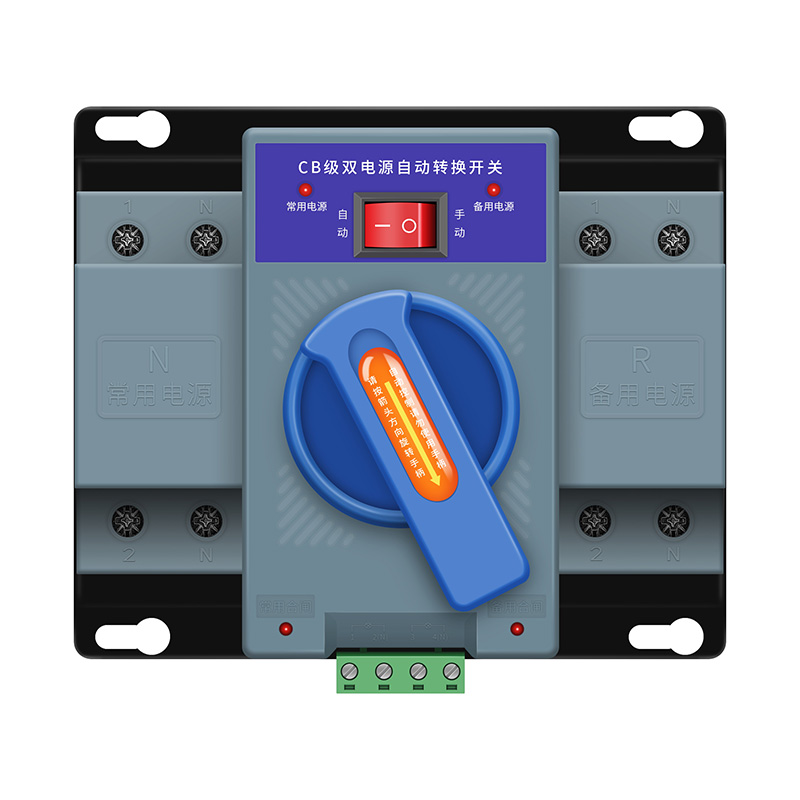
/ Contact Us
Zhejiang Gechi Electric Co., Ltd.
Xinguang Industrial Zone, Liushi Town, Yueqing, Wenzhou, Zhejiang, China.
+86-0577-62620730
/ Contact Us
Zhejiang Gechi Electric Co., Ltd.
Xinguang Industrial Zone, Liushi Town, Yueqing, Wenzhou, Zhejiang, China.
+86-0577-62620730



2025-09-11
An Automatic Transfer Switch (ATS) is a core component that ensures uninterrupted electricity by automatically switching between different power sources. Beyond its basic role of maintaining continuous supply, today's ATS products integrate intelligent control features that contribute to better energy use and overall system stability. Whether installed in industrial facilities, commercial buildings, or residential projects, an ATS plays a vital role in balancing performance and efficiency.

The Function of Automatic Transfer Switches
An automatic load transfer switch is designed to detect when the primary power source fails or becomes unstable. Once the issue is identified, it shifts the load to a secondary source, such as a generator or backup system, without requiring manual intervention. This function lessens downtime and protects sensitive equipment.
Traditional ATS units were primarily focused on mechanical switching, but modern designs emphasize intelligent control. This includes monitoring voltage, frequency, and phase angles to ensure that the transfer happens under safe and stable conditions. Such improvements reduce wear on electrical equipment and optimize the energy flow within the system.
Intelligent Control and Energy Efficiency
One of the main advantages of an ATS with intelligent control is its ability to enhance energy efficiency. Through advanced sensors and control algorithms, the ATS can decide the lots of suitable source of power at any given moment. For example, when renewable energy is available, the switch can prioritize it before falling back on the grid.
This intelligent decision-making lowers energy waste and ensures that backup generators run only when necessary, saving fuel and reducing emissions. In large facilities, these small improvements accumulate into significant cost savings and improved sustainability performance. Intelligent control also supports predictive maintenance by monitoring the condition of power sources and providing alerts before failures occur.
Automatic Transfer Switch DIN Rail Design
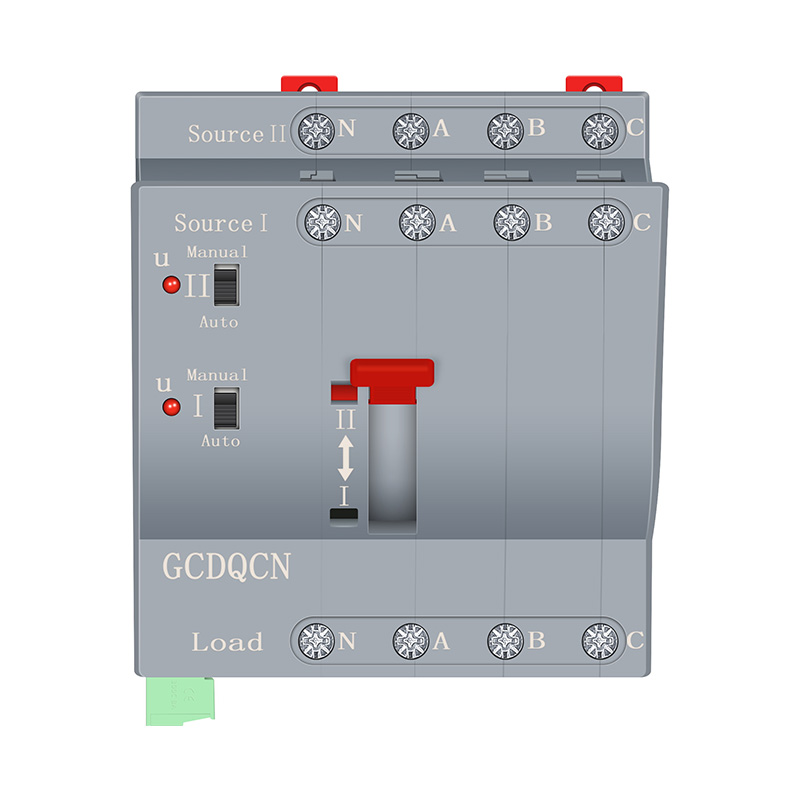
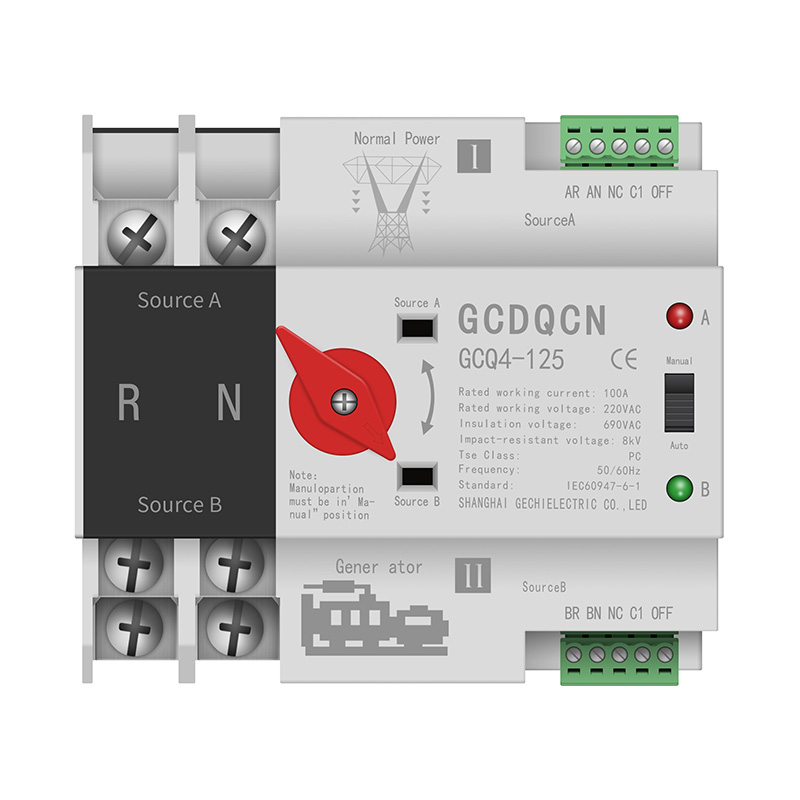
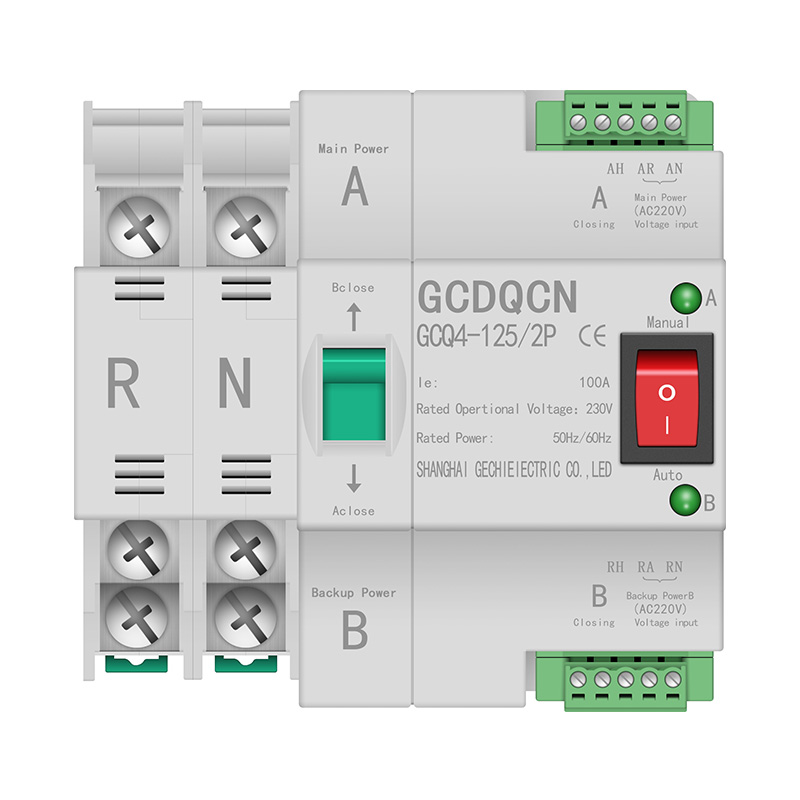
In addition to intelligent features, the design of an automatic transfer switch DIN rail brings flexibility to installation. DIN rail mounting is widely used in electrical engineering because it allows quick and secure installation of modular devices inside enclosures.
By integrating ATS units onto a DIN rail, system builders can reduce space requirements and simplify wiring arrangements. This design is particularly useful in compact distribution panels where space efficiency is important. Furthermore, DIN rail mounted ATS units can be easily replaced or upgraded, supporting flexible maintenance strategies and future system expansion.
Practical Applications in Different Settings
Commercial Buildings: ATS solutions ensure that critical systems such as elevators, lighting, and air conditioning continue to function during outages, while intelligent control reduces energy costs by optimizing power usage.
Industrial Facilities: In factories where machinery requires consistent operation, an automatic load transfer switch less downtime and helps stabilize production schedules.
Residential Projects: Homeowners benefit from smaller ATS models, including DIN rail versions, that automatically switch to generators or battery storage when outages occur.
Renewable Energy Systems: Intelligent ATS units can manage transitions between grid power, solar energy, and backup storage, improving efficiency in hybrid power systems.
Benefits for Long-Term Operation
Implementing intelligent ATS solutions contributes to both operational safety and long-term energy management. The integration of monitoring functions allows facility managers to track consumption patterns, balance loads, and plan preventive maintenance more effectively. Reduced generator running times also extend equipment lifespan and lower operational costs.
Furthermore, the compact nature of DIN rail ATS products makes them a reliable choice for installations that require flexibility. This design supports modular construction and ensures that future upgrades or expansions can be handled with minimal disruption.
An Automatic Transfer Switch is no longer just a device for switching between two power sources. With intelligent control, it has become a tool for improving energy efficiency, reducing operating costs, and supporting sustainable energy strategies. Whether through the advanced monitoring of an automatic load transfer switch or the space-saving design of an automatic transfer switch DIN rail, these innovations provide practical solutions for modern power management.
As power systems evolve, the role of ATS technology will continue to expand, helping facilities achieve greater reliability and efficiency without unnecessary complexity.
HOT PRODUCTS
interested?
Contact us!
Xinguang Industrial Zone, Liushi Town, Yueqing, Wenzhou, Zhejiang, China.
+86-0577-62620730
 English
 русский
 عربى
عربى
 Türk
Türk
 ไทย
ไทย