/ Contact Us
Zhejiang Gechi Electric Co., Ltd.
Xinguang Industrial Zone, Liushi Town, Yueqing, Wenzhou, Zhejiang, China.
+86-0577-62620730
/ Contact Us
Zhejiang Gechi Electric Co., Ltd.
Xinguang Industrial Zone, Liushi Town, Yueqing, Wenzhou, Zhejiang, China.
+86-0577-62620730





2025-09-11
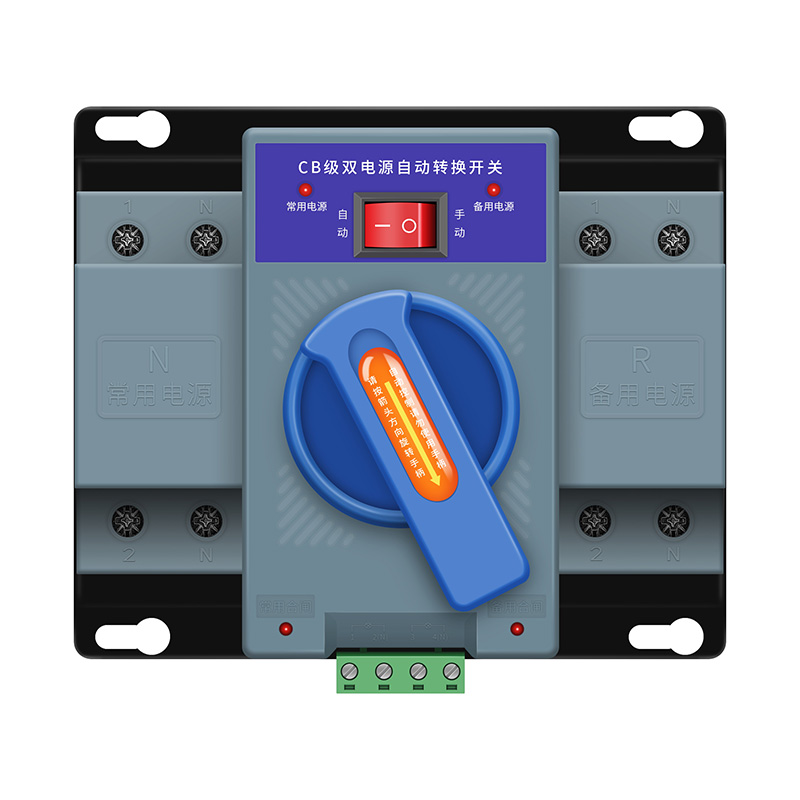
Ensuring a reliable power supply is a critical aspect of modern electrical systems. Power interruptions can affect residential, commercial, and industrial environments, pilot to operational delays and potential safety risks. An automatic transfer switch (ATS) 63A and AC power transfer switch play an essential role in maintaining continuous power while providing multiple safety features that enhance operational security.
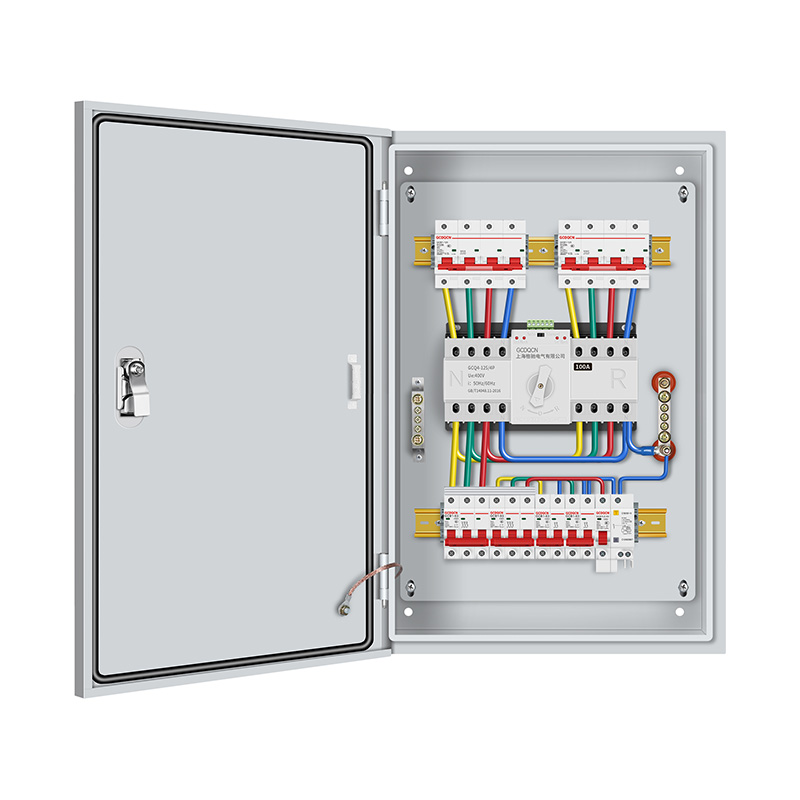
Understanding Automatic Transfer Switches
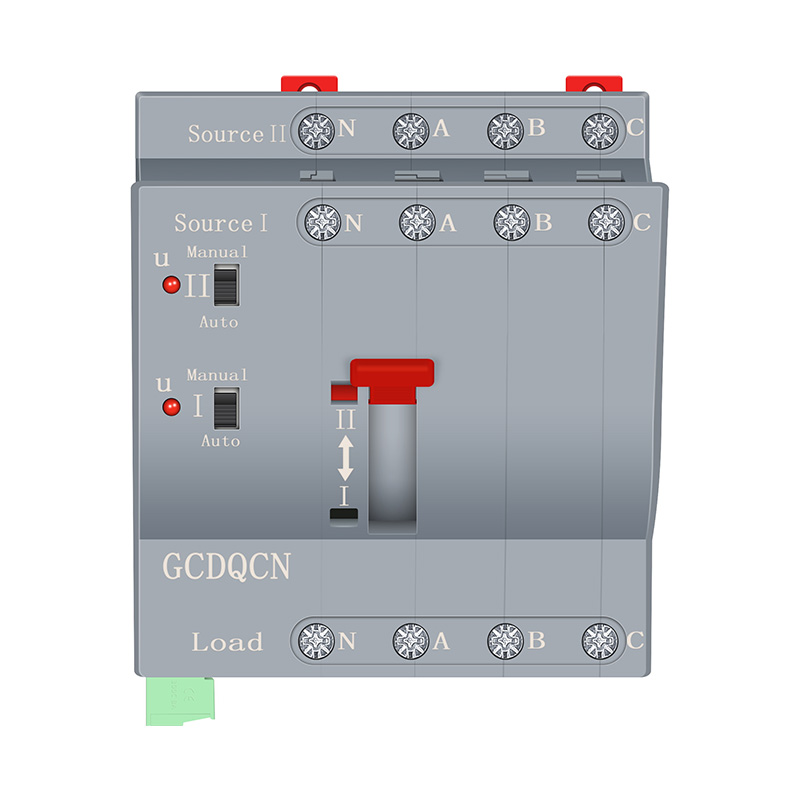
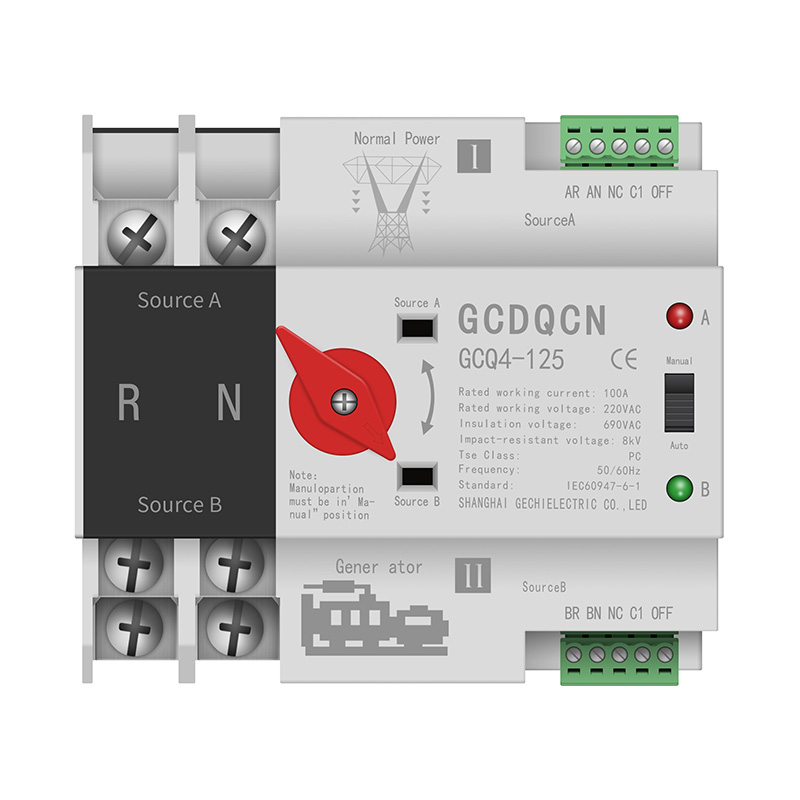
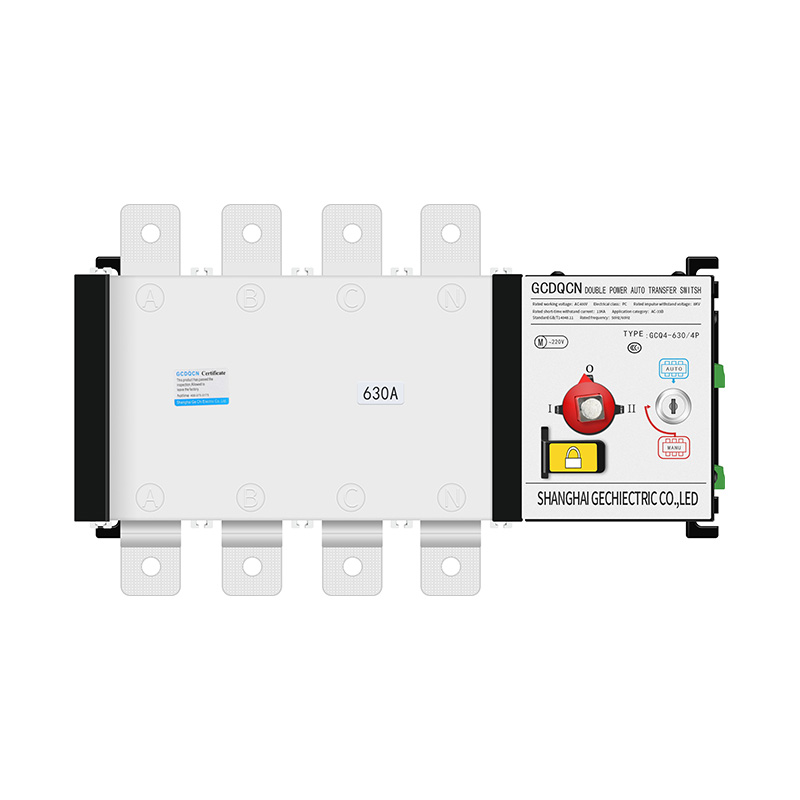
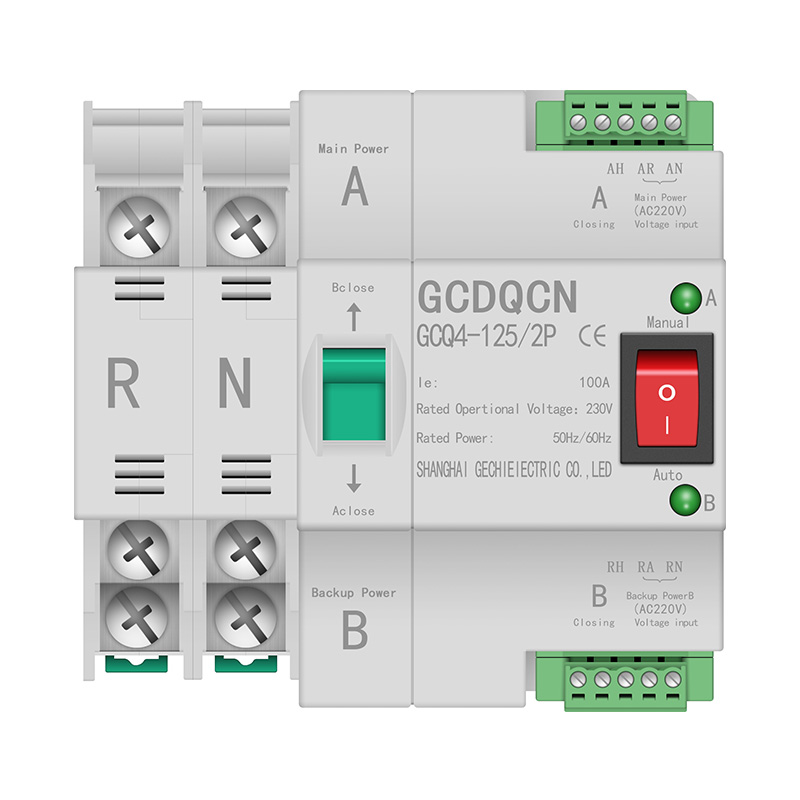
An automatic transfer switch is a device designed to switch power from a primary source, such as the utility grid, to a backup source, such as a generator, when a failure occurs. The automatic transfer switch 63A is commonly used in small- to medium-scale applications, providing reliable power management for critical circuits. These switches are designed to detect voltage fluctuations, outages, or faults in the primary supply and immediately transfer the load to the secondary power source without manual intervention. This automatic operation ensures small downtime and maintains continuity of service.
Key Safety Features of ATS
Safety is a core consideration when implementing an ATS system. Modern AC power transfer switches are equipped with several protective features. Overcurrent protection prevents excessive current from damaging connected equipment. Short-circuit protection ensures the switch safely disconnects the power in case of an electrical fault. Additionally, many ATS units include voltage monitoring, which allows the system to avoid transferring power if the backup source is outside safe voltage limits.
Another safety aspect is mechanical interlocking. This feature prevents both power sources from being connected simultaneously, which could otherwise create dangerous conditions. Interlocking ensures that only one source supplies electricity to the load at any given time, reducing the risk of electrical accidents and protecting connected devices.
Enhancing Operational Security
Operational security is not only about preventing electrical faults but also about ensuring the system remains functional and predictable under varying conditions. ATS units, including the automatic transfer switch 63A, are often designed with diagnostic and monitoring capabilities. These functions allow operators to track switch status, detect potential failures, and schedule preventive maintenance. By monitoring real-time data, operators can address issues before they escalate, maintaining the reliability and stability of power distribution.
Moreover, modern AC power transfer switches often integrate with control panels, enabling remote monitoring and control. This connectivity allows for timely responses to power events and simplifies the management of backup systems, particularly in facilities where continuous operation is crucial.
Applications of ATS Safety Features
The safety features of an ATS are valuable across various applications. In commercial buildings, uninterrupted power ensures that essential systems, such as lighting, security, and IT infrastructure, remain operational. In industrial facilities, maintaining continuous power reduces the risk of machinery damage and production interruptions. Residential applications also benefit, as critical household appliances remain protected during utility outages.
By providing overcurrent protection, mechanical interlocking, voltage monitoring, and remote diagnostic capabilities, an ATS significantly reduces operational risks and supports a safer electrical environment. The combination of these features allows users to manage power transitions confidently, knowing the system can handle unexpected events without compromising safety.
Integrating an automatic transfer switch 63A or an AC power transfer switch into a power distribution system enhances both reliability and safety. The built-in protective features, including overcurrent protection, voltage monitoring, and mechanical interlocking, help prevent damage to equipment and reduce the risk of electrical hazards. Coupled with monitoring and control capabilities, these switches support operational security in residential, commercial, and industrial applications. By choosing a well-designed ATS solution, operators can maintain a continuous power supply and create a safer environment for both people and equipment.
HOT PRODUCTS
interested?
Contact us!
Xinguang Industrial Zone, Liushi Town, Yueqing, Wenzhou, Zhejiang, China.
+86-0577-62620730
 English
 русский
 عربى
عربى
 Türk
Türk
 ไทย
ไทย