/ Contact Us
Zhejiang Gechi Electric Co., Ltd.
Xinguang Industrial Zone, Liushi Town, Yueqing, Wenzhou, Zhejiang, China.
+86-0577-62620730
/ Contact Us
Zhejiang Gechi Electric Co., Ltd.
Xinguang Industrial Zone, Liushi Town, Yueqing, Wenzhou, Zhejiang, China.
+86-0577-62620730



2025-09-11
An essential component in achieving this goal is a well-planned electrical distribution system. Complete distribution panel solutions provide a reliable framework for managing electricity efficiently and safely.
Efficient Power Management for Homes
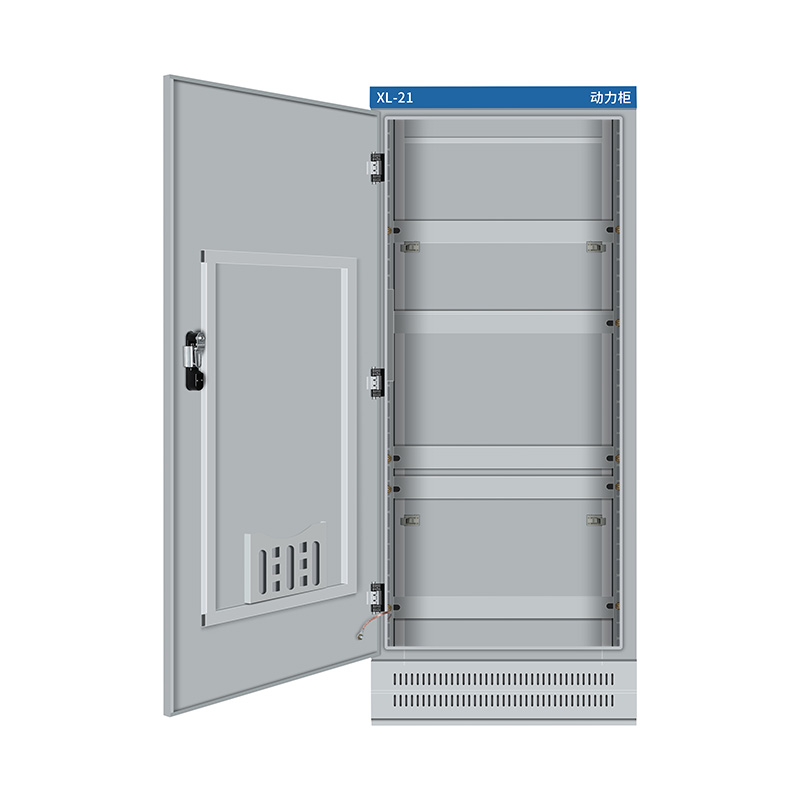
For residential energy-saving buildings, an electrical distribution box for the home is a critical component. It serves as the central hub for electricity distribution throughout the house, ensuring that every circuit receives the necessary power without overloading the system. These distribution boxes are designed to accommodate modern energy-saving appliances and can integrate seamlessly with renewable energy sources such as solar panels. Properly designed home distribution boxes not only provide safety but also contribute to overall energy efficiency.
Integration of Automatic Changeover Switches
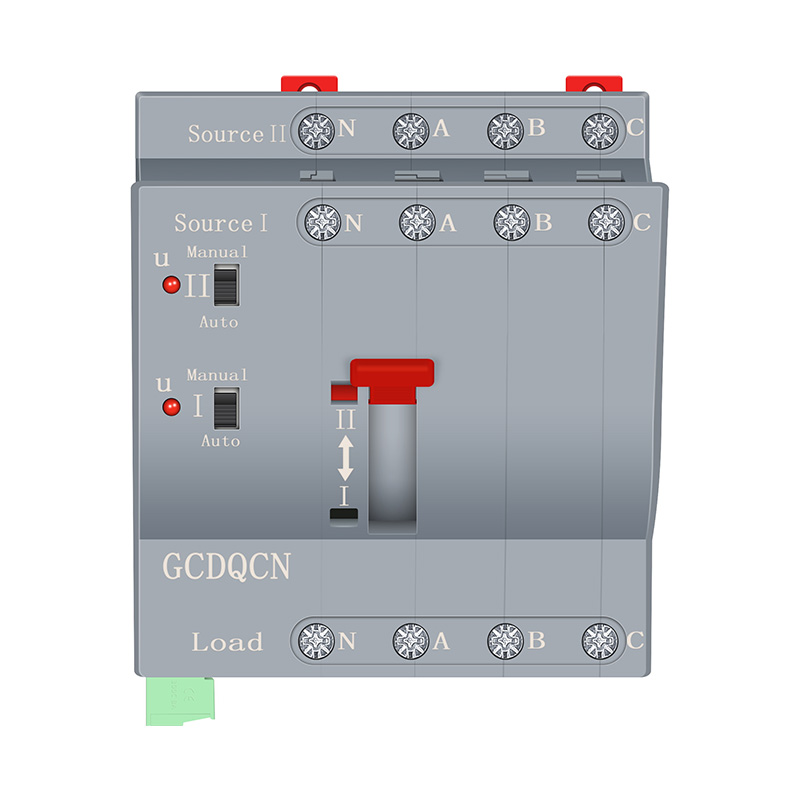
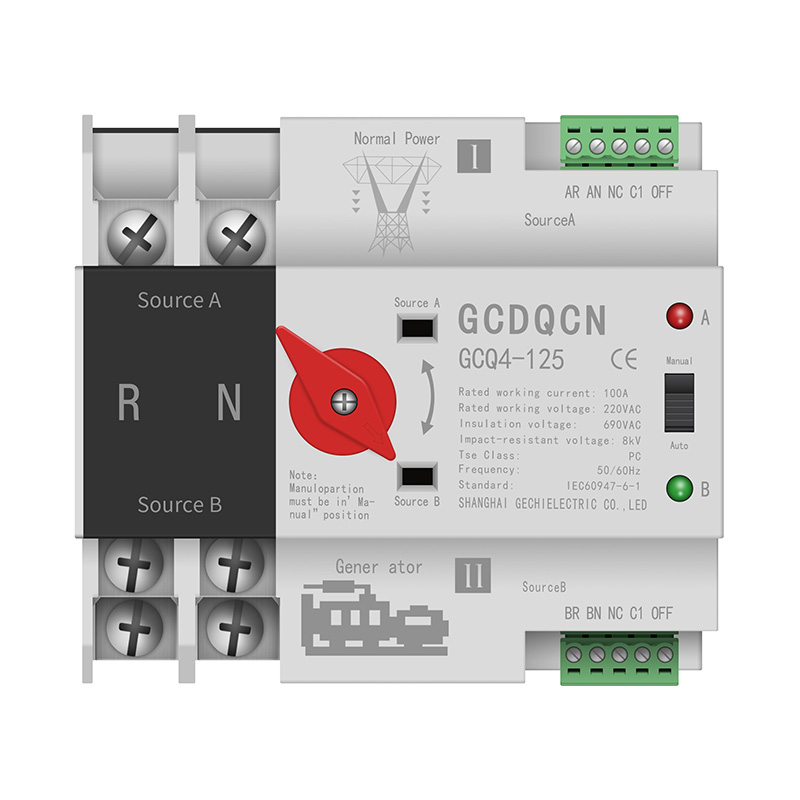
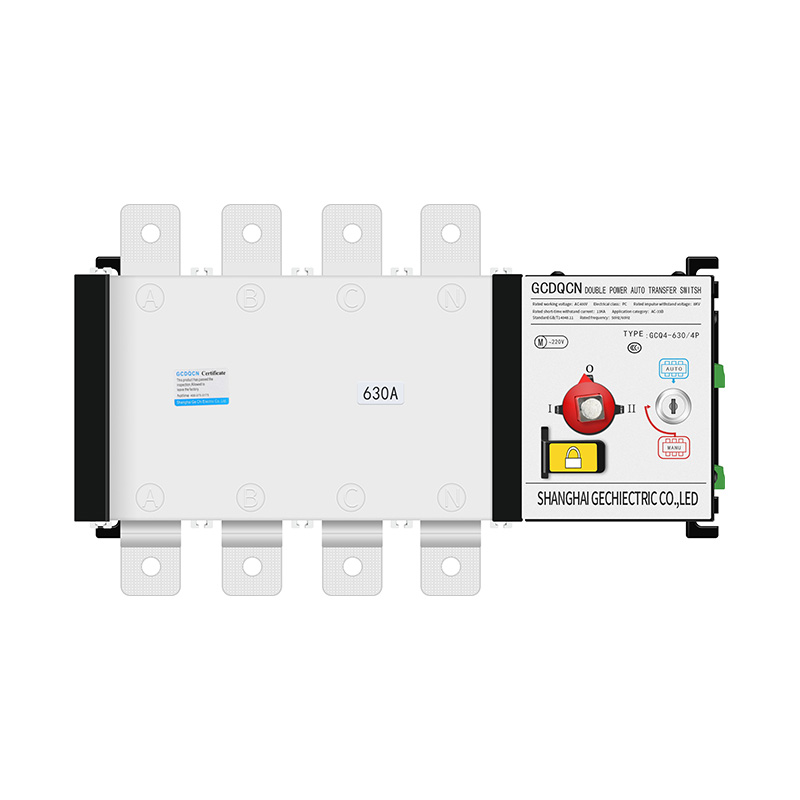
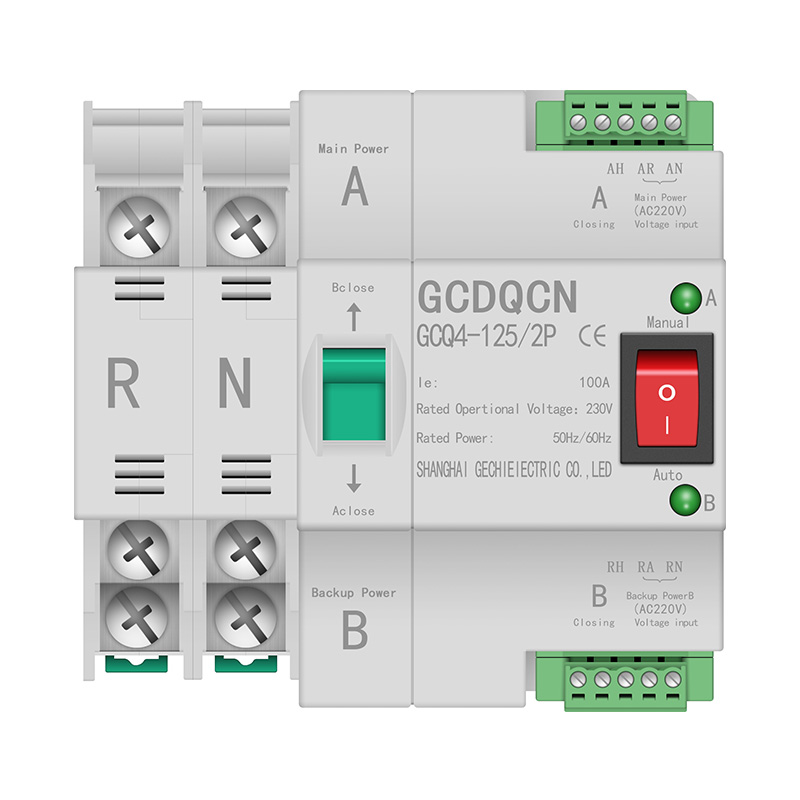
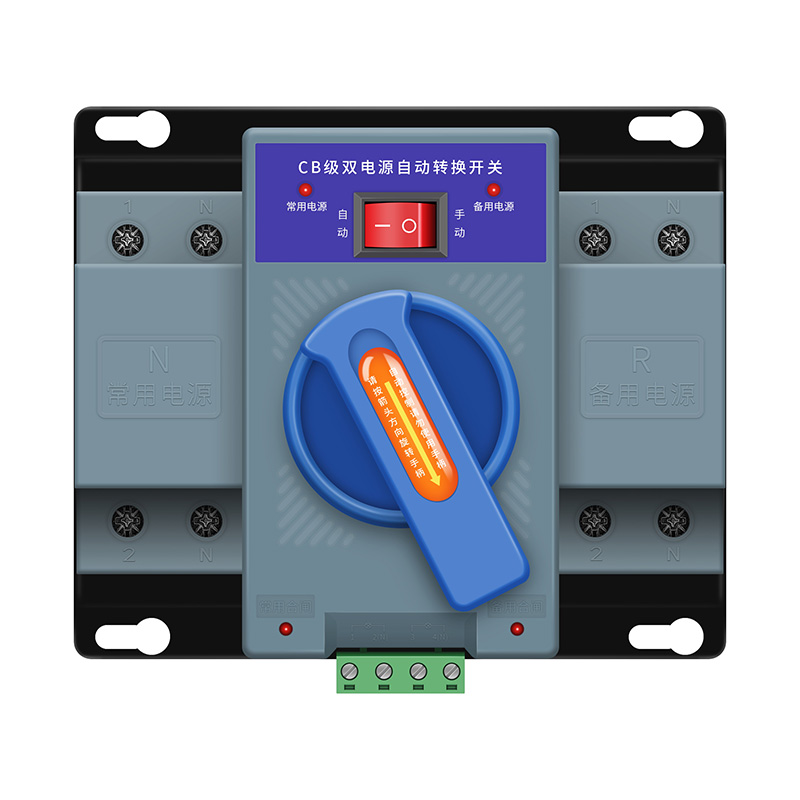
A key feature in modern energy-saving buildings is the inclusion of an automatic changeover switch. This device automatically switches the power supply between the main grid and a backup source, such as a generator, during power interruptions. The automatic changeover switch ensures uninterrupted electricity supply, which is particularly important in critical areas like data centers, healthcare facilities, and residential buildings with energy-sensitive systems. By reducing downtime, these switches enhance the reliability of the power system and support continuous operation of essential appliances.
Modular and Scalable Panel Designs
Complete distribution panel solutions often employ modular designs, which allow for easy expansion and customization. Modular panels can be configured to accommodate additional circuits as a building's energy demands grow. This approach is particularly useful for energy-saving buildings, where integrating renewable energy sources and advanced monitoring systems may require flexible panel structures. With modular solutions, electricians and engineers can quickly adapt the panel layout to meet specific energy requirements without significant modifications.
Safety and Regulatory Compliance
Safety is a primary concern in any electrical distribution system. Distribution panels are designed to comply with national and international electrical standards, providing protection against short circuits, overcurrent, and other electrical faults. By combining a well-designed electrical distribution box for home with an automatic changeover switch, buildings can achieve a higher level of electrical safety. These solutions ensure that both residents and sensitive equipment are protected, reducing the risk of electrical hazards.
Supporting Energy-Saving Goals
Complete distribution panel solutions play a vital role in achieving the energy-saving objectives of modern buildings. By optimizing electricity distribution, integrating backup power solutions, and supporting smart energy monitoring, these panels help reduce energy waste and improve overall efficiency. When combined with renewable energy systems, such as solar panels or wind turbines, distribution panels with automatic changeover switches allow buildings to maximize energy use while maintaining a reliable electricity supply.
For energy-saving buildings, investing in complete distribution panel solutions is a practical step toward a safer and more efficient electrical system. The combination of electrical distribution boxes for home and automatic changeover switches ensures reliable power management, enhanced safety, and flexibility for future expansion. By implementing these solutions, building owners and designers can create electrical systems that support sustainability goals while maintaining convenience and reliability for occupants.
In addition, modern distribution panel solutions often include features such as modular design, real-time monitoring, and remote control capabilities. These enhancements enable facility managers to track energy consumption, quickly identify inefficiencies, and adjust power distribution as needed. By integrating smart technologies, complete distribution panels not only support immediate energy-saving efforts but also provide valuable data for long-term planning and optimization. This approach ensures that buildings remain adaptable to changing energy demands while maintaining consistent performance and occupant comfort.
HOT PRODUCTS
interested?
Contact us!
Xinguang Industrial Zone, Liushi Town, Yueqing, Wenzhou, Zhejiang, China.
+86-0577-62620730
 English
 русский
 عربى
عربى
 Türk
Türk
 ไทย
ไทย