/ Contact Us
Zhejiang Gechi Electric Co., Ltd.
Xinguang Industrial Zone, Liushi Town, Yueqing, Wenzhou, Zhejiang, China.
+86-0577-62620730
/ Contact Us
Zhejiang Gechi Electric Co., Ltd.
Xinguang Industrial Zone, Liushi Town, Yueqing, Wenzhou, Zhejiang, China.
+86-0577-62620730



2025-09-11
Understanding ATS Integration
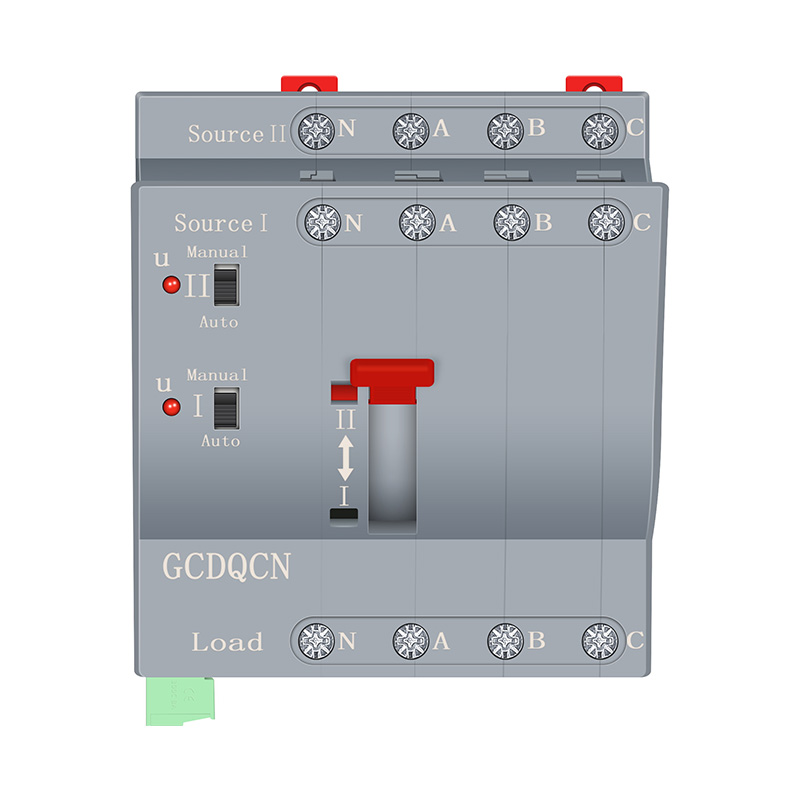
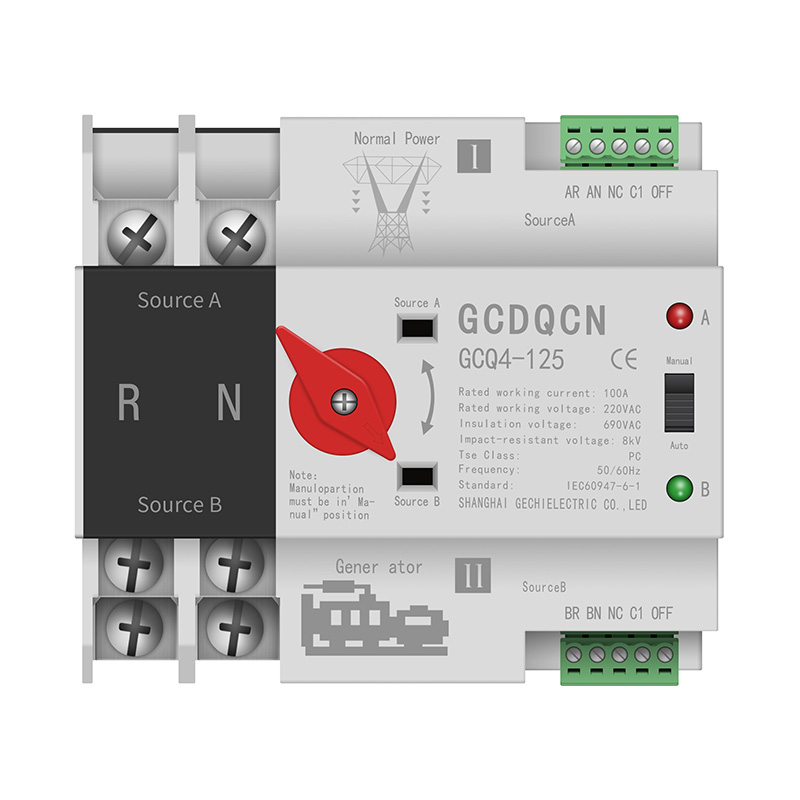
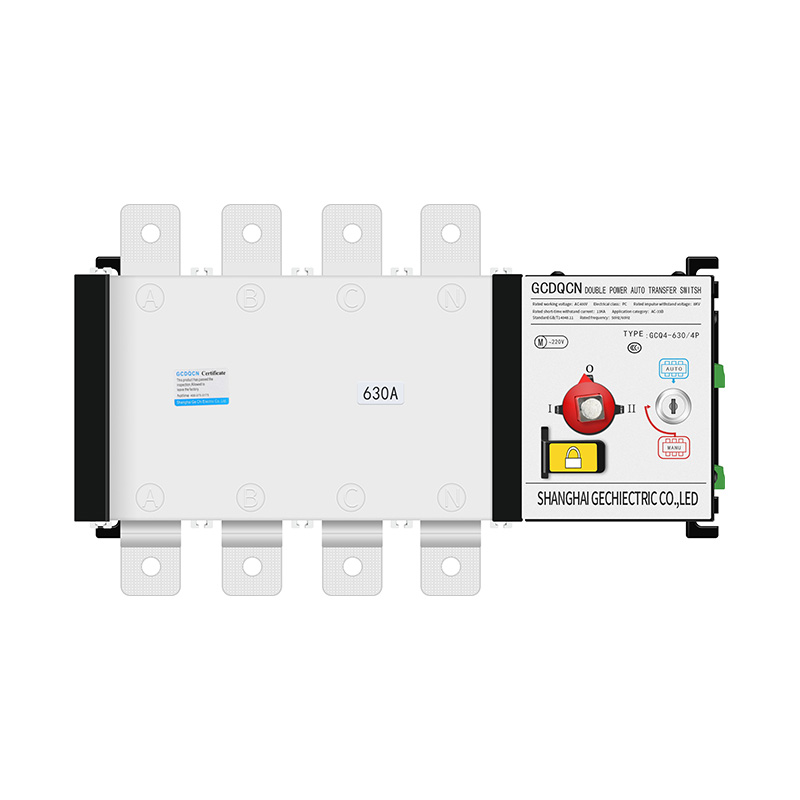
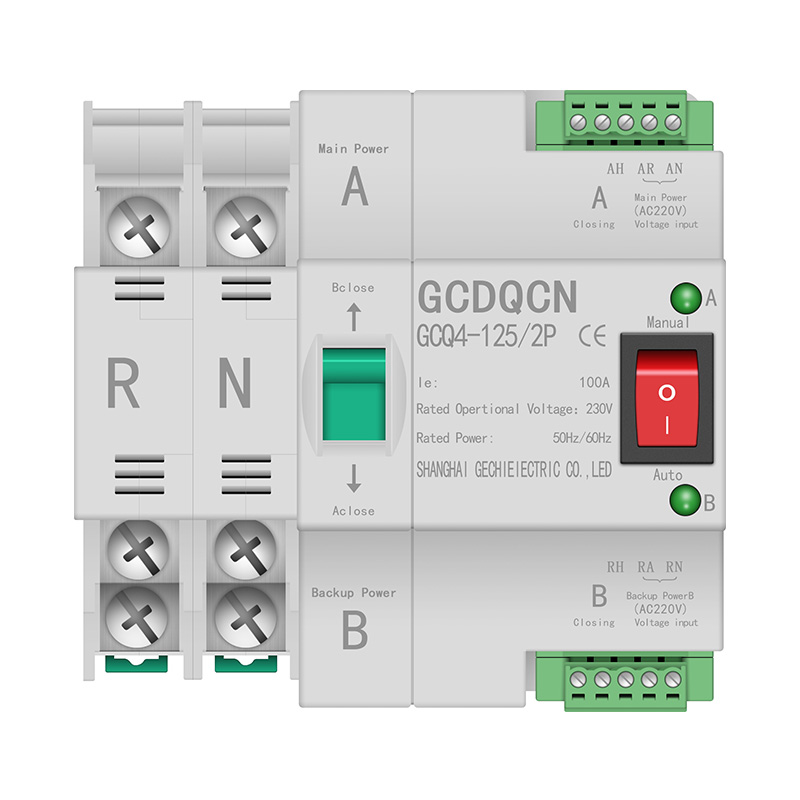
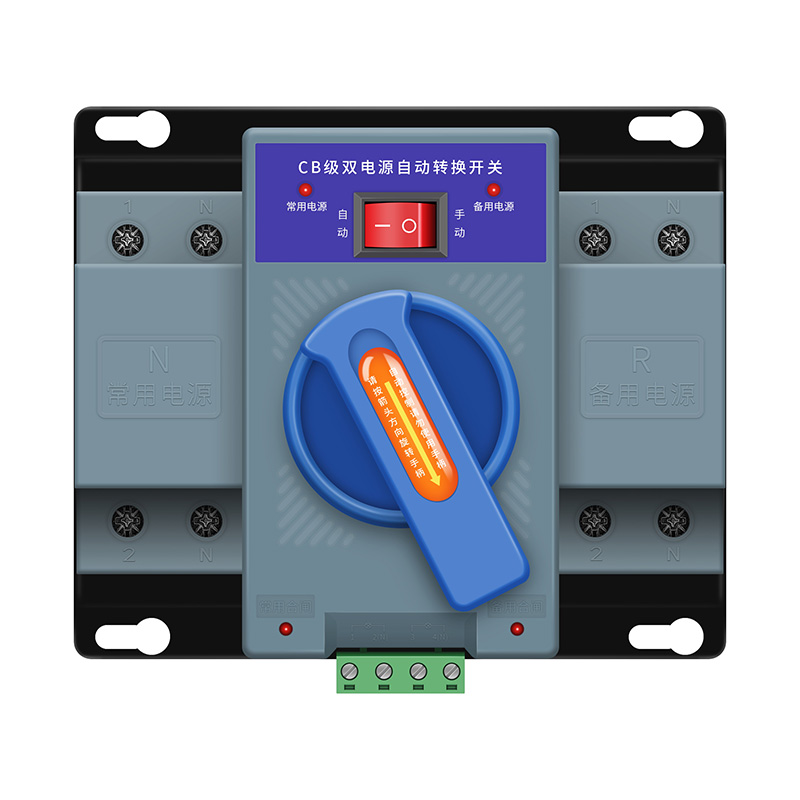
An Automatic Transfer Switch (ATS) is a device that automatically transfers the load from the primary power source to a secondary source when an outage or voltage fluctuation occurs. When combined with a complete distribution panel, an ATS allows seamless switching without manual intervention. This integration ensures that critical systems, including lighting, HVAC, and production machinery, continue operating even during unexpected power interruptions.
The process of automatic power change over is central to ATS functionality. When the main supply fails, the ATS detects the outage and immediately signals the generator or secondary power source to start supplying electricity. Once the main supply is restored, the ATS switches back, ensuring smooth operation without disrupting connected devices. This feature is particularly valuable in facilities where downtime can affect productivity or safety.
Advantages of Integrated Distribution Panels
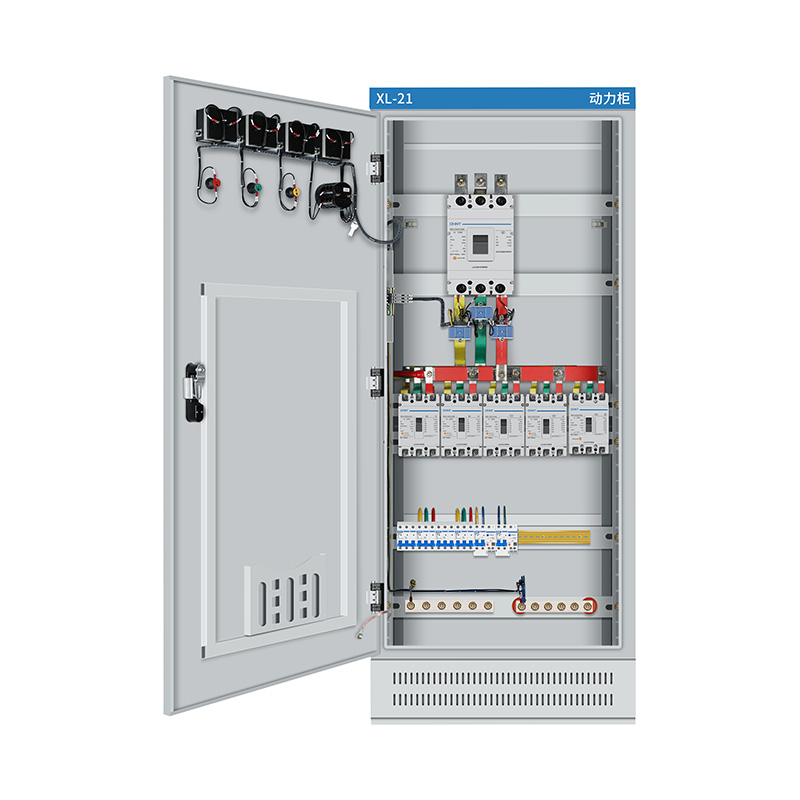
Complete distribution panel solutions with ATS integration offer several practical advantages. They consolidate power management components into a single, organized unit, simplifying installation and maintenance. The panels include circuit breakers, busbars, metering devices, and protection systems, all coordinated with the ATS for efficient operation.
Secondly, the integration supports an automatic switch over generator setup. In many industrial and commercial scenarios, generators act as backup sources. The ATS coordinates generator start-up and load transfer automatically, eliminating the need for manual switching and reducing the risk of human error. This ensures critical equipment receives uninterrupted power during planned or unplanned outages.
Thirdly, integrated panels improve safety and system monitoring. By combining protection devices with automatic transfer mechanisms, potential risks such as overloads or short circuits are managed effectively. Maintenance personnel can monitor system performance through built-in meters and indicators, enabling timely action without shutting down the entire facility.
Applications Across Industries
The versatility of complete distribution panel solutions with ATS integration makes them suitable for diverse applications. In commercial buildings, these systems maintain lighting, elevators, and security equipment even during power failures. Industrial plants benefit from uninterrupted operation of machinery and process control systems. Hospitals and healthcare facilities rely on these systems to protect sensitive medical equipment and ensure patient safety.
Additionally, renewable energy installations can also leverage ATS-integrated panels. When solar, wind, or hybrid power systems are connected to the grid, the panel can manage transitions between multiple sources efficiently, maintaining stable power supply to critical loads.
Key Considerations for Implementation
Selecting the right configuration requires careful consideration of load requirements, backup capacity, and environmental conditions. Distribution panels must be rated for the expected electrical load, and the ATS should match the generator capacity to ensure smooth automatic switch over generator operation. Proper panel design also accounts for ventilation, wiring accessibility, and future expansion needs.
Regular testing and maintenance are essential to ensure reliable operation. Simulated power outages and generator start-up tests help verify that the system responds correctly. Monitoring software or indicators built into modern panels allow operators to track performance and address potential issues proactively.
Complete distribution panel solutions integrated with ATS provide a practical, reliable method for maintaining continuous power in a wide range of environments. By automating the transfer between utility and backup sources, these systems reduce downtime, enhance safety, and support operational continuity. With proper selection, installation, and maintenance, facilities can ensure that essential equipment remains powered, while simplifying management of complex electrical systems.
HOT PRODUCTS
interested?
Contact us!
Xinguang Industrial Zone, Liushi Town, Yueqing, Wenzhou, Zhejiang, China.
+86-0577-62620730
 English
 русский
 عربى
عربى
 Türk
Türk
 ไทย
ไทย