/ Contact Us
Zhejiang Gechi Electric Co., Ltd.
Xinguang Industrial Zone, Liushi Town, Yueqing, Wenzhou, Zhejiang, China.
+86-0577-62620730
/ Contact Us
Zhejiang Gechi Electric Co., Ltd.
Xinguang Industrial Zone, Liushi Town, Yueqing, Wenzhou, Zhejiang, China.
+86-0577-62620730




2026-07-24
In modern electrical projects, product reliability depends not only on design but also on manufacturing accuracy, quality management, and inspection procedures. Industrial companies, electrical contractors, and equipment manufacturers are increasingly searching for suppliers that can provide stable products with consistent performance. Search interests such as reliable distribution cabinet manufacturer, electrical cabinet quality inspection process, and custom power distribution equipment supplier show that buyers want to understand how products are produced before making purchasing decisions. As a professional electrical equipment manufacturer, we recognize that a Distribution Cabinet requires careful engineering, controlled production processes, and systematic testing to ensure it can support different industrial and commercial applications.
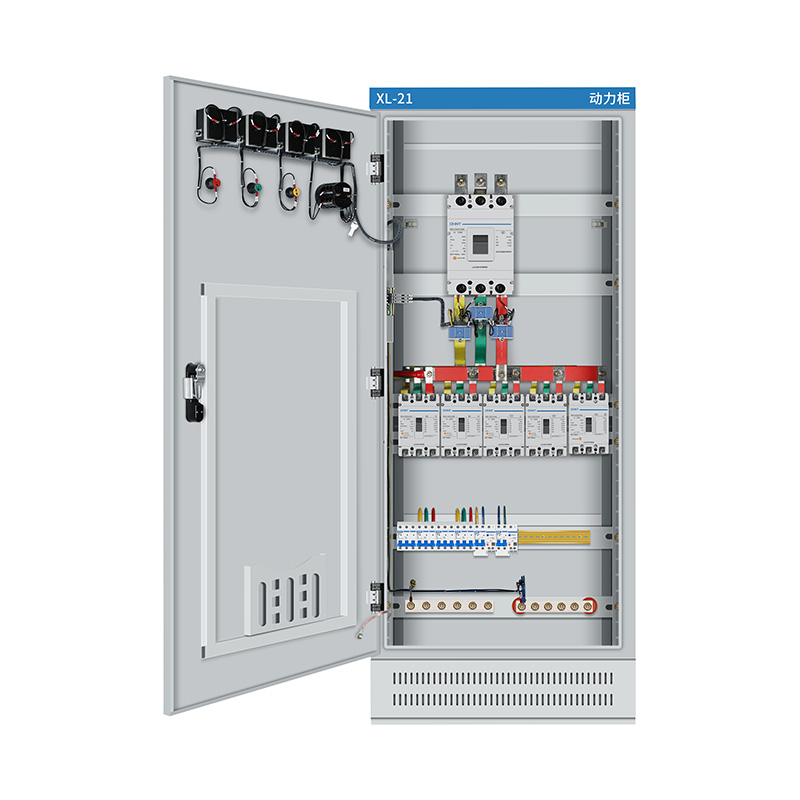
For overseas buyers, understanding manufacturing capability helps them choose suppliers that can provide reliable products, stable delivery, and long-term cooperation support.
A distribution cabinet contains multiple electrical components that need to work together accurately. Production quality directly affects installation efficiency and operational stability.
Professional manufacturing focuses on:
Effective process control helps reduce production variations and ensures products meet customer expectations.
Before manufacturing begins, professional suppliers need to understand customer requirements and application conditions. Proper engineering preparation helps create suitable solutions.
Important preparation steps include:
This approach helps ensure that the final product matches practical application needs.
The materials used in cabinet manufacturing influence structural stability and service performance. Different applications may require different material considerations.
Manufacturers usually evaluate:
Suitable material selection helps the cabinet maintain reliable performance during long-term operation.
A well-assembled cabinet provides better internal organization and easier maintenance. Manufacturing accuracy is especially important because electrical components must be installed in a logical and accessible way.
Professional assembly considers:
These details help engineers complete installation and inspection more efficiently.
Quality testing is an important stage before products are delivered to customers. It helps identify potential issues and confirms that products meet expected requirements.
Manufacturers may perform:
A systematic testing process supports consistent product quality for international customers.
For international projects, supplier selection involves more than comparing product prices. Buyers need partners who can provide technical understanding and stable manufacturing support.
Important supplier evaluation factors include:
Working with an experienced manufacturer helps companies reduce uncertainty during procurement.
Different industries require different power distribution solutions. A flexible manufacturer can adjust products based on project conditions.
Customization services may include:
This flexibility allows suppliers to support a wider range of electrical applications.
Distribution cabinets are widely used in environments where stable electrical management is necessary.
Typical applications include:
Each application requires careful consideration of installation conditions and operational requirements.
As electrical systems continue developing toward smarter and more efficient solutions, buyers are paying greater attention to supplier capability and product reliability. Manufacturers need to combine engineering knowledge, production management, and quality control to meet changing market needs.
For companies searching for dependable electrical distribution solutions, cooperating with an experienced supplier of Distribution Box Set products can provide stable manufacturing support, customized options, and reliable solutions for industrial and commercial power management projects.
HOT PRODUCTS
interested?
Contact us!
Xinguang Industrial Zone, Liushi Town, Yueqing, Wenzhou, Zhejiang, China.
+86-0577-62620730
 English
 русский
 عربى
عربى
 Türk
Türk
 ไทย
ไทย