/ Contact Us
Zhejiang Gechi Electric Co., Ltd.
Xinguang Industrial Zone, Liushi Town, Yueqing, Wenzhou, Zhejiang, China.
+86-0577-62620730
/ Contact Us
Zhejiang Gechi Electric Co., Ltd.
Xinguang Industrial Zone, Liushi Town, Yueqing, Wenzhou, Zhejiang, China.
+86-0577-62620730





2025-09-11
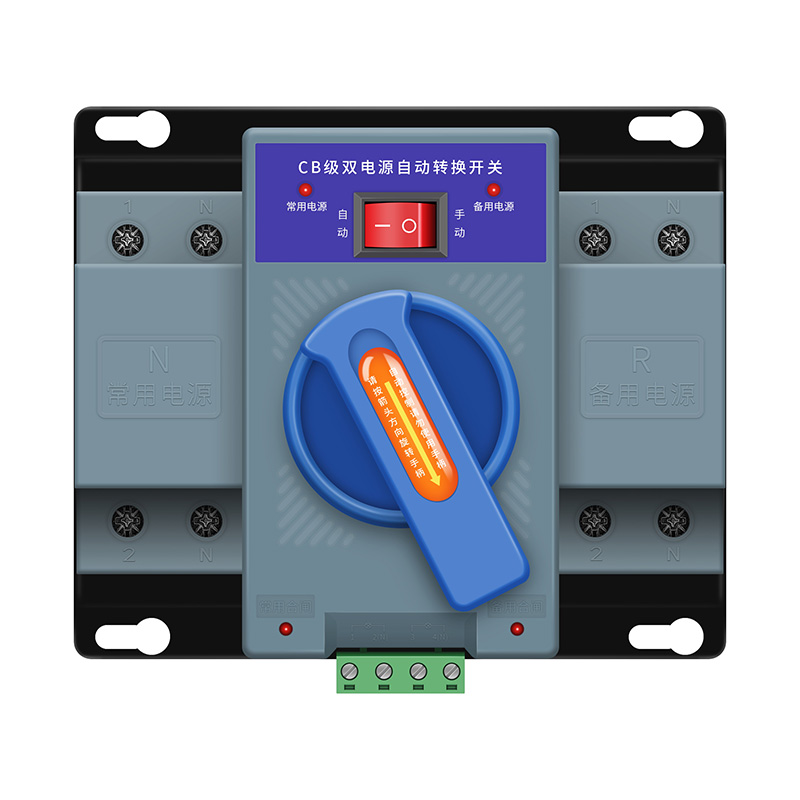
The Role of ATS in Power Networks
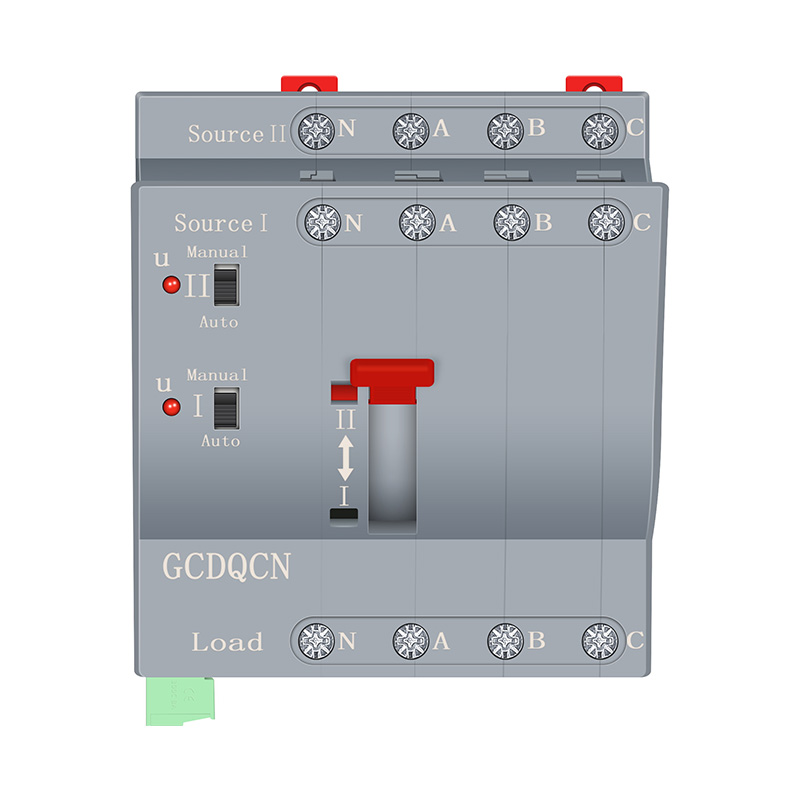
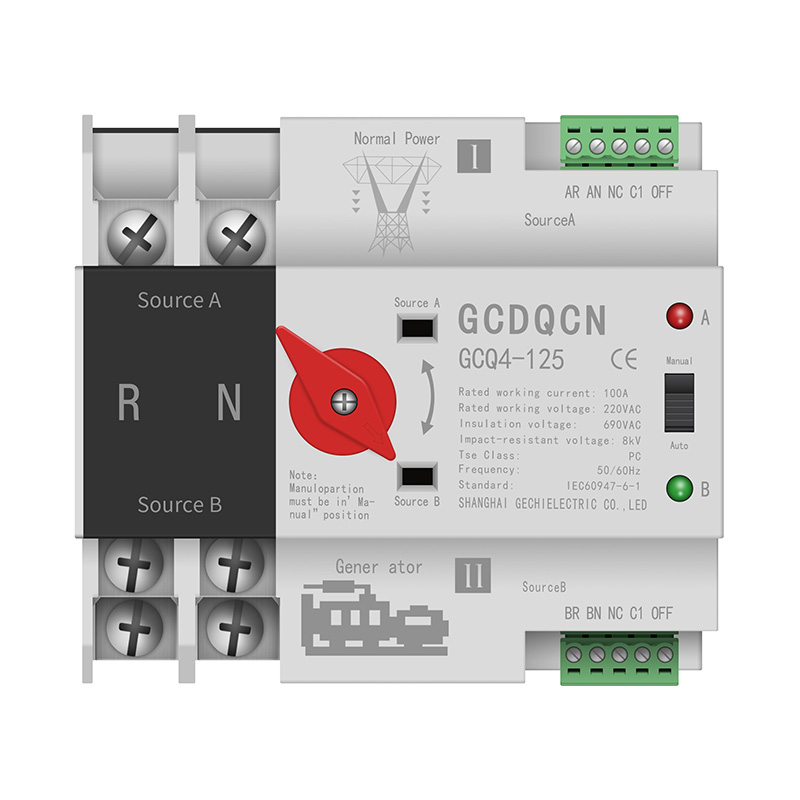
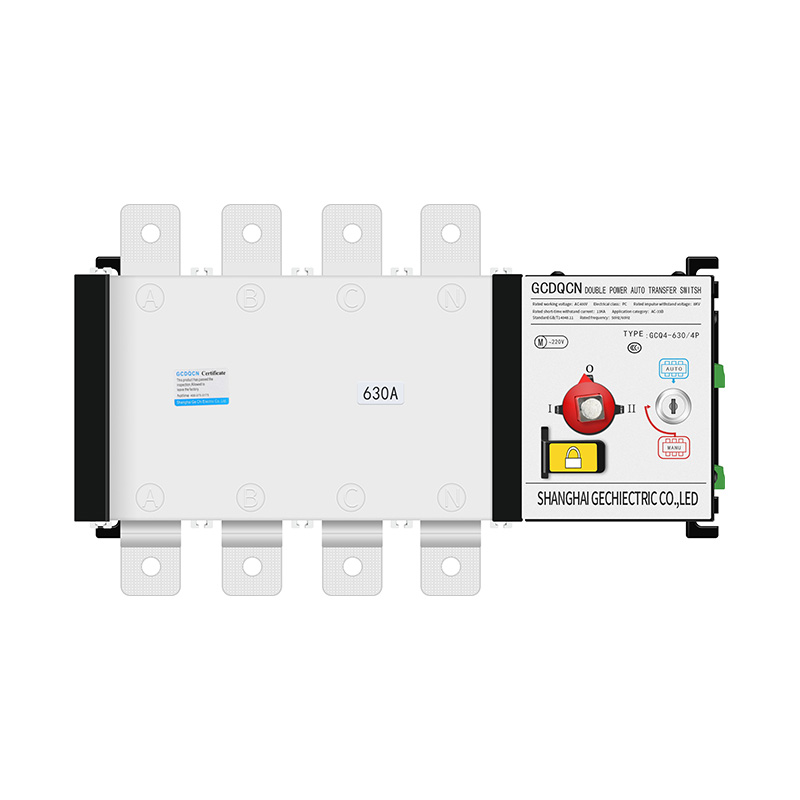
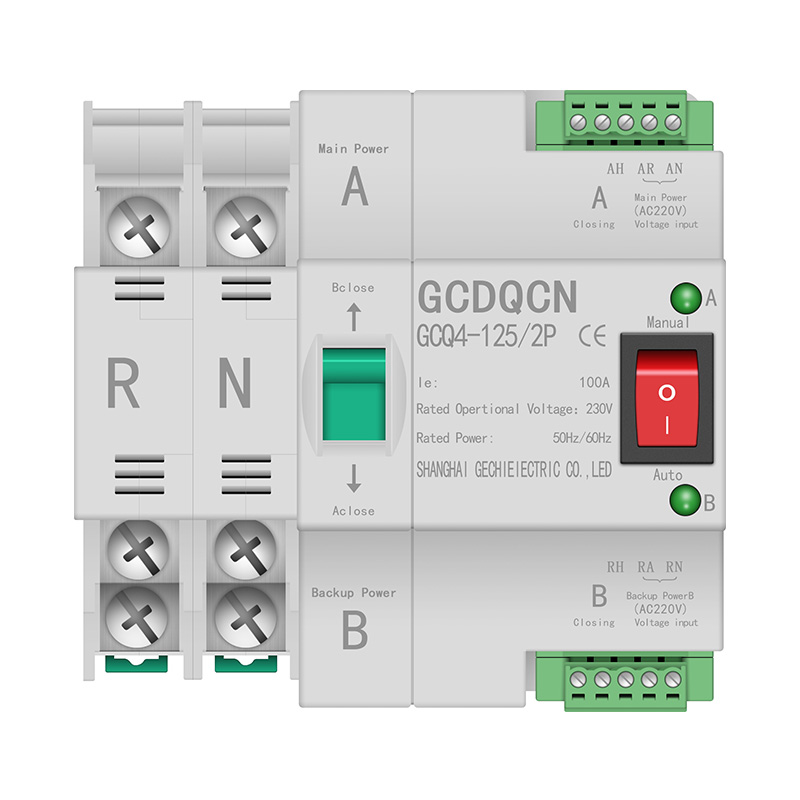
An ATS is a critical component for ensuring uninterrupted power supply in both commercial and industrial settings. It automatically switches the power source between the utility grid and backup generators, less downtime during outages or maintenance. By incorporating intelligent control features, ATS devices can help maintain balanced loads and protect sensitive equipment. Their compatibility with low voltage distribution box systems makes them highly versatile in smart power networks, where space efficiency and adaptability are crucial.
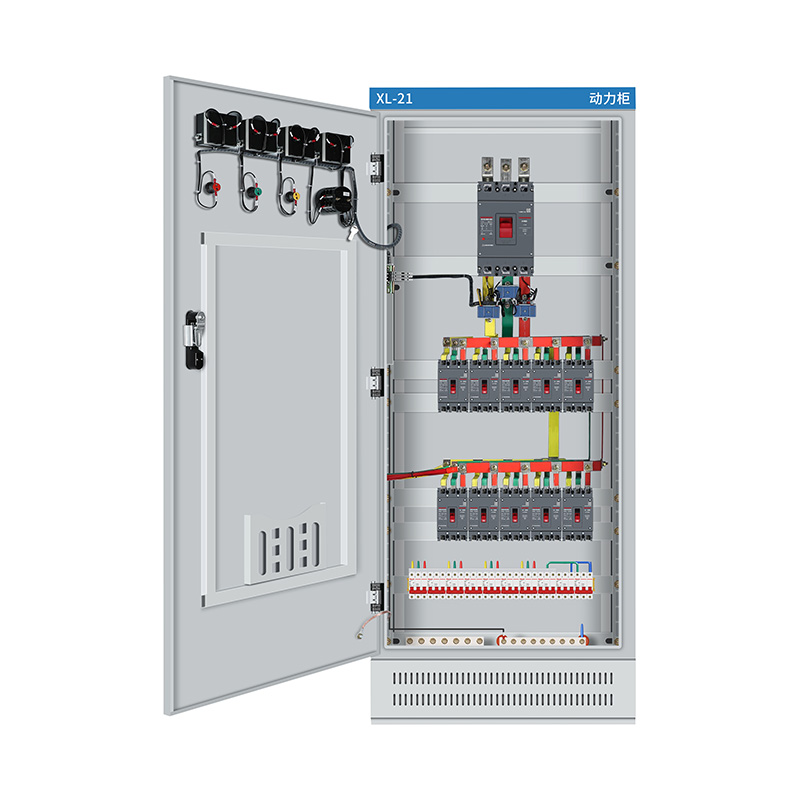
Custom Distribution Box Enclosures
Custom distribution box enclosures are designed to house electrical components, including breakers, meters, and control devices, while protecting them from environmental factors such as dust, moisture, and temperature fluctuations. These enclosures are available in various sizes and configurations, making them suitable for diverse applications—from residential projects to large-scale industrial facilities. A well-designed distribution box improves wiring management, simplifies maintenance, and enhances overall system safety. When combined with ATS units, these enclosures create a reliable and organized setup for modern electrical networks.
Low Voltage Distribution Boxes
Low voltage distribution boxes are specifically designed for systems operating under low voltage levels, typically under 1,000 volts. They play a pivotal role in distributing electricity to different circuits while providing protection against overcurrent and short circuits. In smart power networks, these boxes allow for modular and scalable setups, enabling operators to adapt quickly to changing power demands. Their integration with custom enclosures ensures both functional efficiency and safety compliance.
Distro Power Boxes
Distro power boxes are another key element in managing electrical distribution. They are commonly used in temporary power setups, commercial projects, and industrial applications where flexible power allocation is needed. These boxes support multiple circuits, often including features for monitoring and controlling power flow. By pairing distro power boxes with ATS and custom distribution enclosures, operators can create a coordinated system that balances reliability, flexibility, and protection.
Benefits of Integration
Integrating ATS units with custom distribution box enclosures provides several practical advantages. one, it simplifies the installation process, as components are organized in a single, compact setup. Second, it enhances operational safety by enclosing electrical devices in protective housings, reducing the risk of accidental contact and damage. Third, integration allows for more effective monitoring and control, as operators can oversee multiple circuits and power sources from a centralized point. This combination is particularly beneficial for smart power networks, where stability and rapid response to changes in load or supply are important.
Applications in Smart Power Networks
The use of ATS and custom distribution box enclosures extends across various sectors. In commercial buildings, these systems ensure uninterrupted operations during grid fluctuations. Industrial facilities benefit from improved load management and equipment protection. Renewable energy installations, such as solar or wind farms, rely on flexible and adaptive distribution solutions to integrate multiple power sources efficiently. By supporting low voltage distribution boxes and distro power boxes, operators can tailor solutions to meet specific project needs.
Smart power networks demand reliable, adaptable, and safe power distribution solutions. By combining ATS units with custom distribution box enclosures, operators can achieve stable energy delivery, better load management, and organized infrastructure. Low voltage distribution boxes and distro power boxes enhance these systems further by offering modularity, protection, and ease of maintenance. Together, these components provide a practical approach to building efficient and resilient power networks that can adapt to both current and future demands.
HOT PRODUCTS
interested?
Contact us!
Xinguang Industrial Zone, Liushi Town, Yueqing, Wenzhou, Zhejiang, China.
+86-0577-62620730
 English
 русский
 عربى
عربى
 Türk
Türk
 ไทย
ไทย