/ Contact Us
Zhejiang Gechi Electric Co., Ltd.
Xinguang Industrial Zone, Liushi Town, Yueqing, Wenzhou, Zhejiang, China.
+86-0577-62620730
/ Contact Us
Zhejiang Gechi Electric Co., Ltd.
Xinguang Industrial Zone, Liushi Town, Yueqing, Wenzhou, Zhejiang, China.
+86-0577-62620730



2025-05-19
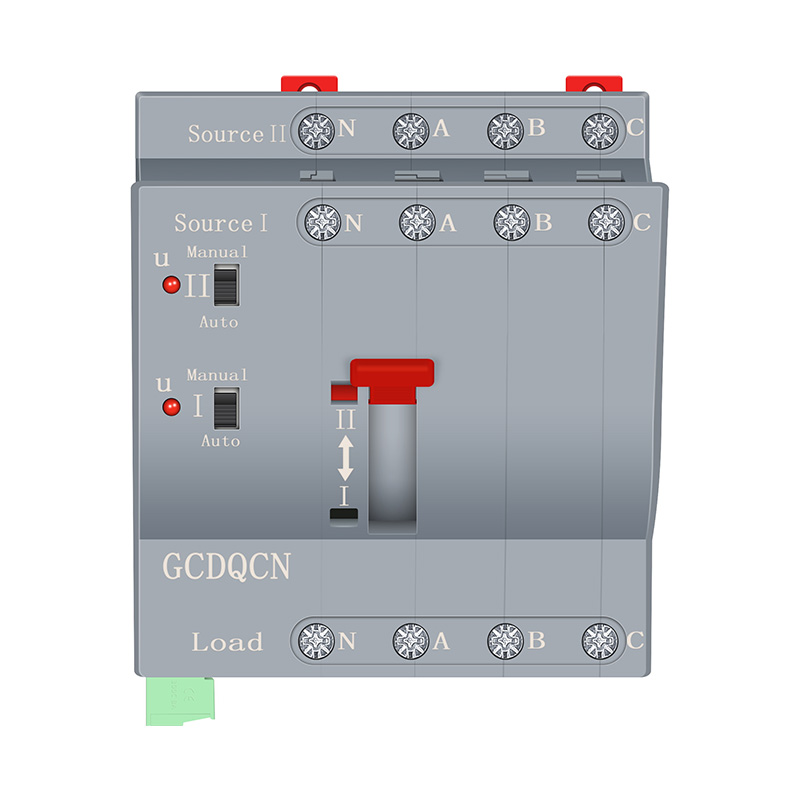
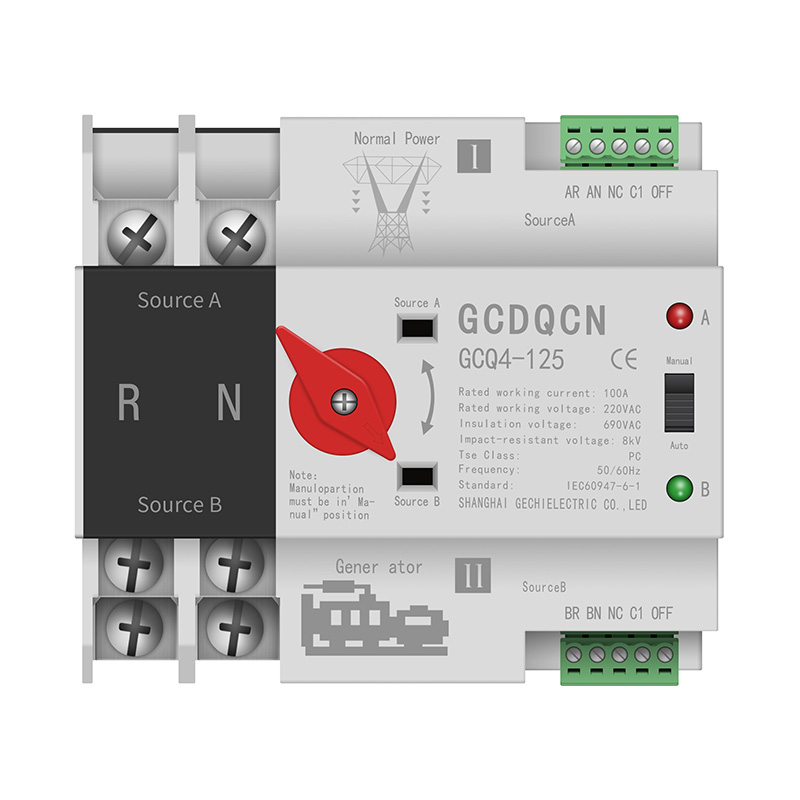
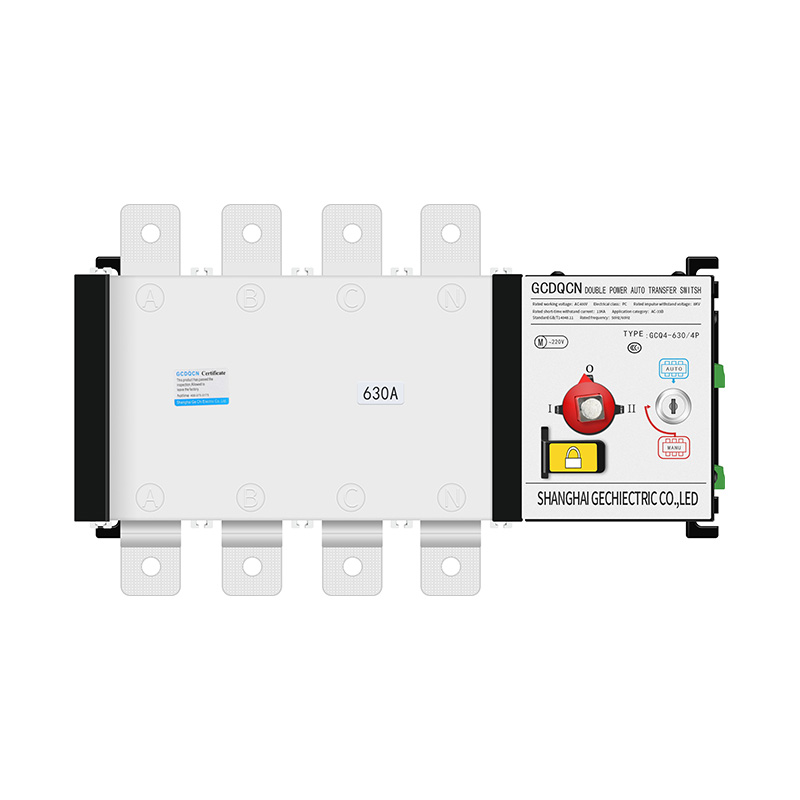
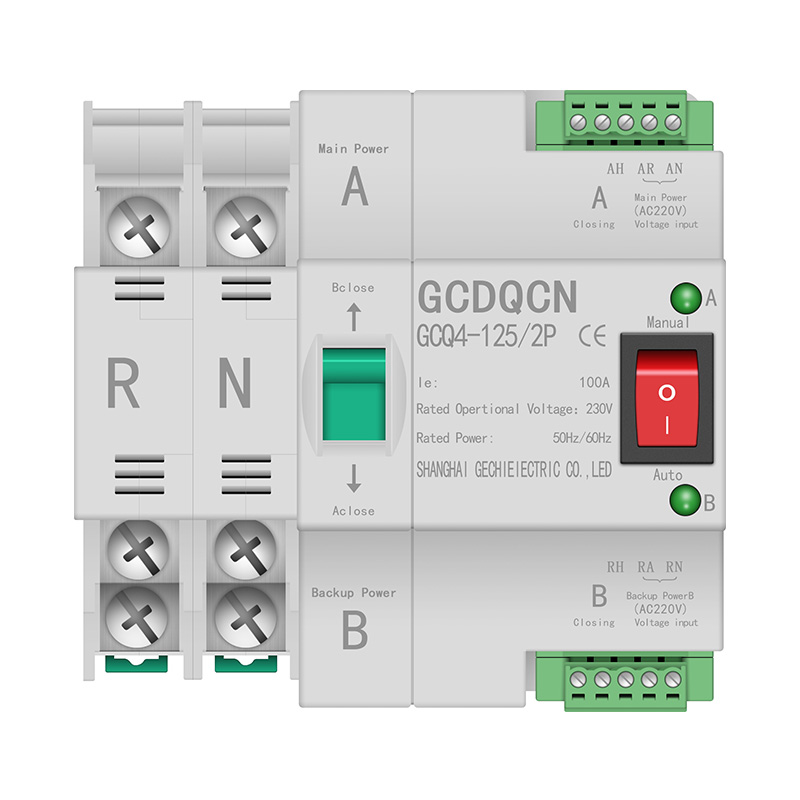
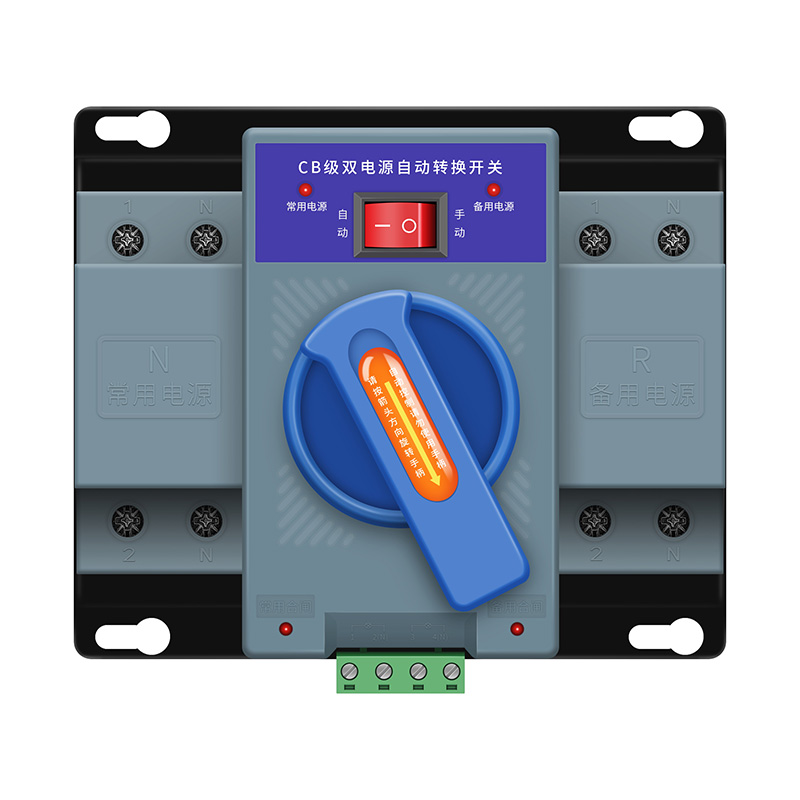
The dual power automatic transfer system usually includes two power lines, one for the main power supply and the other for the backup power supply. When the main power supply fails, the system will automatically detect and switch to the backup power supply to ensure that the elevator continues to operate. This design can switch quickly, lessen the elevator downtime, and ensure the safety of passengers and the normal operation of the building.
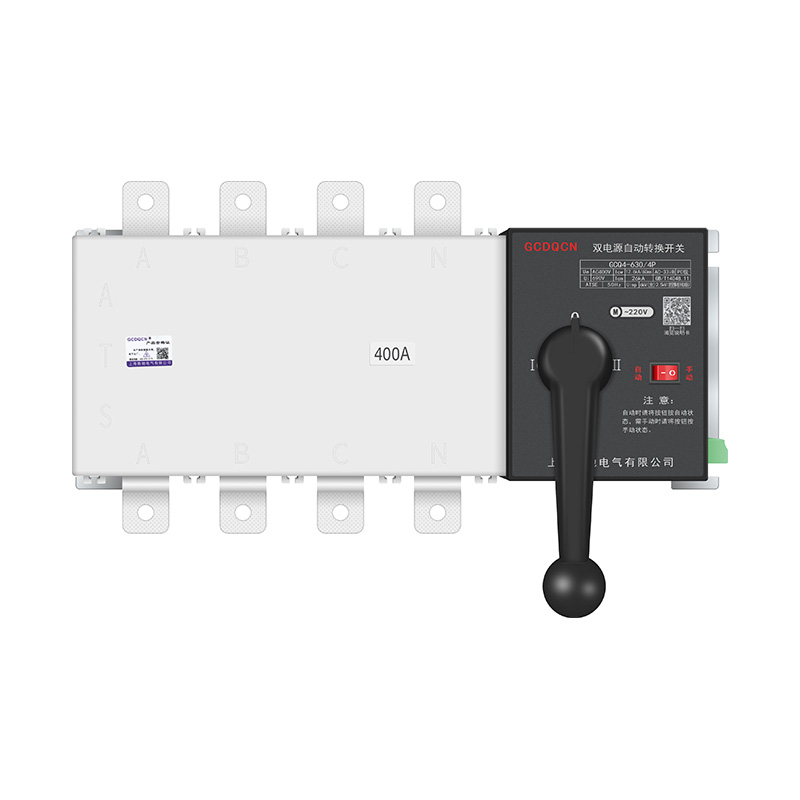
The dual power automatic transfer system is increasingly being adopted in modern building designs due to its ability to provide uninterrupted power for critical equipment. Beyond elevators, this system can be applied to lighting, HVAC systems, and emergency devices, ensuring that essential functions remain operational even during power outages. The seamless switching between the main and backup power lines reduces the risk of equipment damage and operational interruptions.
Key Components and Functionality
At the core of the system, a 63a single phase changeover switch plays a crucial role. This switch allows for the manual or automatic selection between two power sources, ensuring that smaller circuits or single-phase equipment can also benefit from the dual power protection. The combination of the dual power automatic transfer system with such changeover switches allows facility managers to maintain continuity for various loads without overloading the backup supply.
For buildings incorporating renewable energy, a solar panel changeover switch can be integrated into the system. This enables the building to switch between solar-generated power, the main electrical grid, and a backup generator if necessary. By combining solar energy with traditional backup solutions, energy consumption can be optimized, and reliance on the grid can be reduced, all while maintaining the reliability of critical systems.
Benefits for Safety and Efficiency
The dual power automatic transfer system significantly improves safety in multi-story buildings. Elevators, emergency lighting, and fire alarm systems can remain functional during blackouts, reducing hazards for occupants. Furthermore, the system’s automatic detection and switching capabilities reduce the need for manual intervention, which can be particularly useful in commercial or residential buildings with high foot traffic.
Integrating 63a single phase changeover switches ensures that individual equipment units, such as lighting panels or small appliances, are protected without compromising the overall system’s performance. Similarly, a solar panel changeover switch allows for the efficient use of renewable energy, providing flexibility in power management.
Applications in Diverse Settings
The dual power automatic transfer system is not limited to elevators or high-rise buildings. It can be applied in hospitals, data centers, commercial complexes, and industrial facilities. In hospitals, uninterrupted power is crucial for life-support systems, while in data centers, it ensures servers remain operational without downtime. The system’s adaptability allows for seamless integration with various electrical architectures, including single-phase or three-phase installations.
By combining traditional backup sources with renewable energy options, the dual power automatic transfer system also supports sustainable building practices. Facility managers can configure the system to prioritize solar energy when available and switch to grid or generator power only when necessary. This flexibility makes it a practical solution for both energy efficiency and operational continuity.
In summary, the dual power automatic transfer system offers a reliable, adaptable solution for maintaining power continuity across multiple applications. The inclusion of 63a single phase changeover switches and solar panel changeover switches allows for customized configurations that meet the specific needs of a building or facility. As the demand for uninterrupted power grows in both residential and commercial spaces, implementing such systems ensures operational reliability, safety, and enhanced energy management.
HOT PRODUCTS
interested?
Contact us!
Xinguang Industrial Zone, Liushi Town, Yueqing, Wenzhou, Zhejiang, China.
+86-0577-62620730
 English
 русский
 عربى
عربى
 Türk
Türk
 ไทย
ไทย