/ Contact Us
Zhejiang Gechi Electric Co., Ltd.
Xinguang Industrial Zone, Liushi Town, Yueqing, Wenzhou, Zhejiang, China.
+86-0577-62620730
/ Contact Us
Zhejiang Gechi Electric Co., Ltd.
Xinguang Industrial Zone, Liushi Town, Yueqing, Wenzhou, Zhejiang, China.
+86-0577-62620730



2025-10-17
Modern energy systems depend on precision, balance, and safety to operate effectively. Among the many components that ensure smooth power delivery, Electrical Distribution Boxes and the Distribution Box Set play a key role in organizing and managing electricity within residential, commercial, and industrial facilities. Far from being simple connection points, these systems now contribute directly to improved energy management through smarter configurations, enhanced monitoring, and efficient load distribution. Understanding their function helps users make better decisions when designing or upgrading electrical networks.
A major advantage of modern electrical distribution boxes lies in their ability to distribute electrical loads efficiently. By dividing power across multiple circuits, they help prevent overloading and reduce the chances of unnecessary energy loss. Properly balanced circuits ensure that equipment operates within its designed voltage range, which not only maintains stable operation but also prevents overheating and reduces long-term energy waste.
The inclusion of modular layouts in today’s distribution box sets also allows technicians to easily plan power routing for different areas or equipment.For industrial environments, a well-arranged power distribution setup can even lower peak demand by scheduling high-consumption equipment to operate at staggered intervals.
Advancements in electrical engineering have transformed how distribution systems are monitored. Many modern distribution boxes can now integrate sensors and metering units that track real-time voltage, current, and power factor. These readings help facility managers identify inefficiencies, detect abnormal consumption patterns, and plan energy-saving measures more effectively.
Some distribution box sets are also designed to interface with energy management software platforms. This allows for continuous data logging, remote access, and automated alerts in case of faults. For example, when current exceeds a set threshold, the system can trigger a signal to adjust loads or activate standby power sources. Such integration contributes to proactive maintenance, reducing both downtime and wasted energy.
Efficient energy management is closely tied to safety. Electrical faults such as short circuits, overloads, and leakage can not only cause downtime but also waste energy due to irregular voltage or current flow. Modern electrical distribution boxes use advanced circuit protection devices—such as miniature circuit breakers, residual current devices, and surge protectors—to ensure smooth current flow while preventing energy loss caused by electrical instability.
As renewable energy adoption increases, distribution boxes are becoming essential for connecting grid power, solar inverters, and battery systems in one coordinated network. The integration of these power sources requires precise switching and synchronization to maintain energy balance.
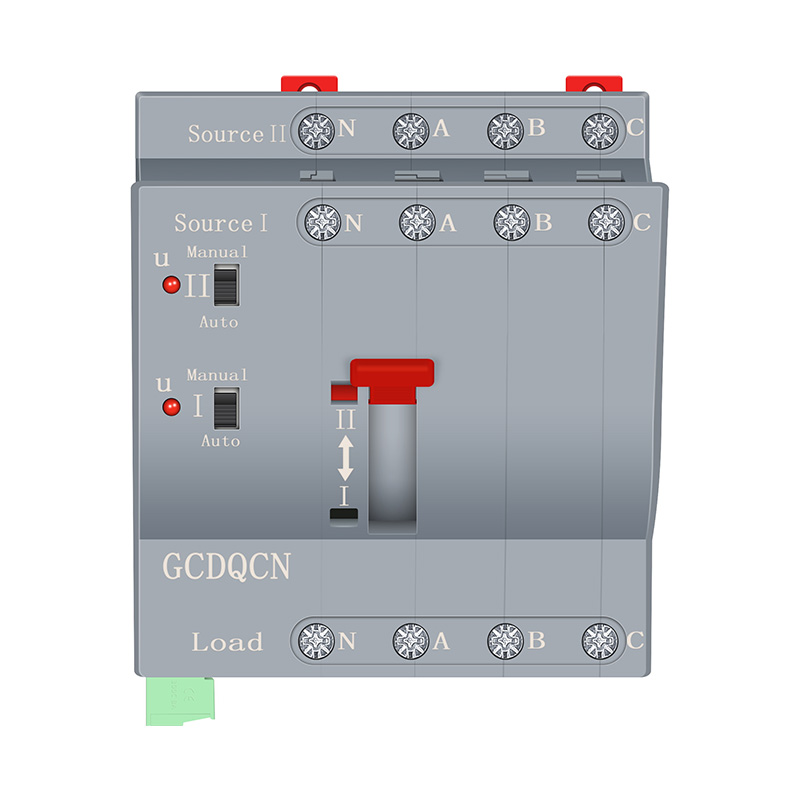
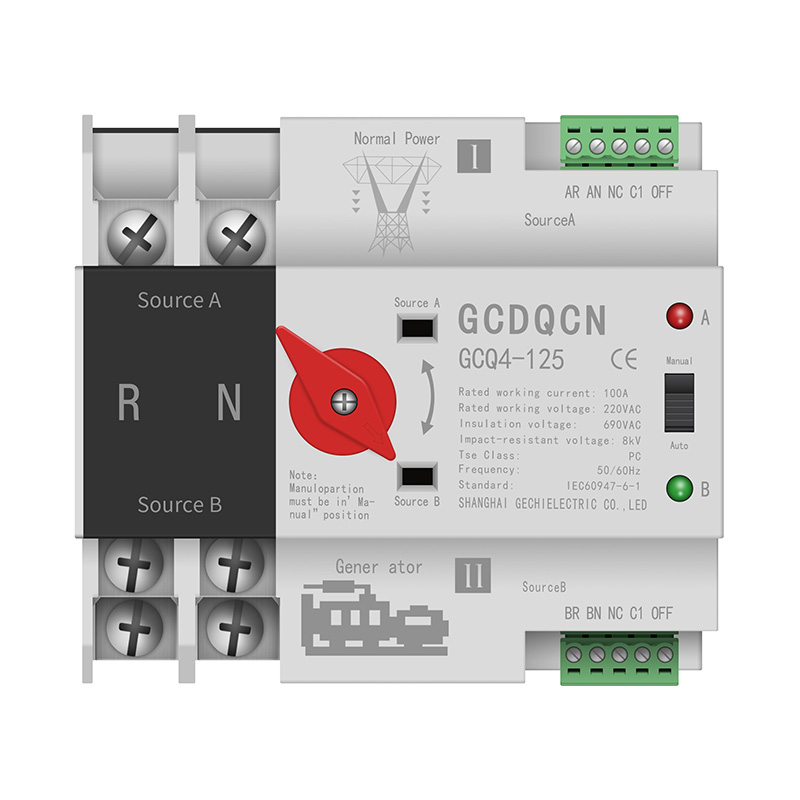
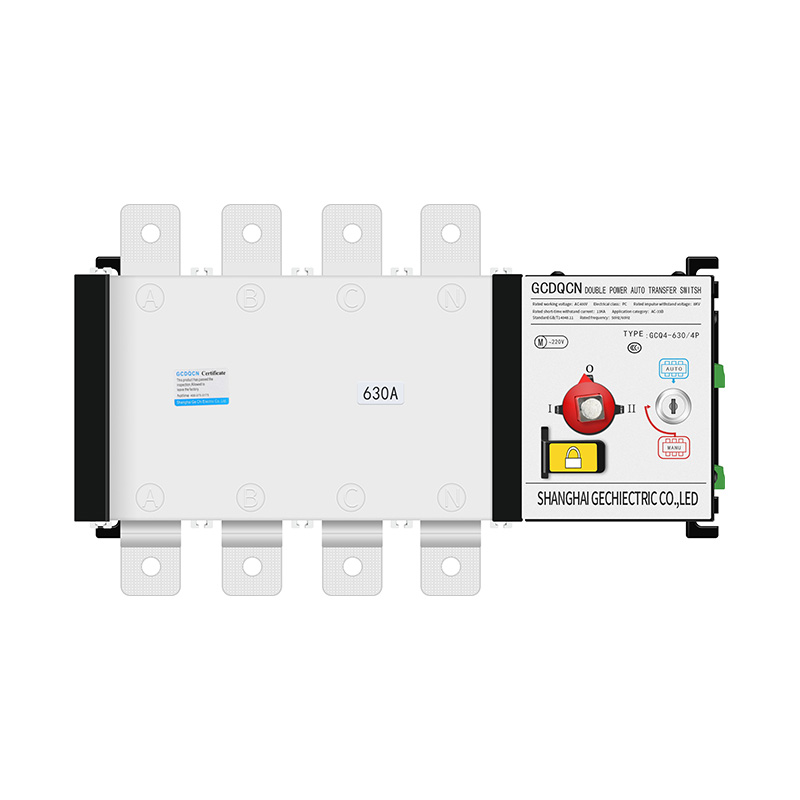
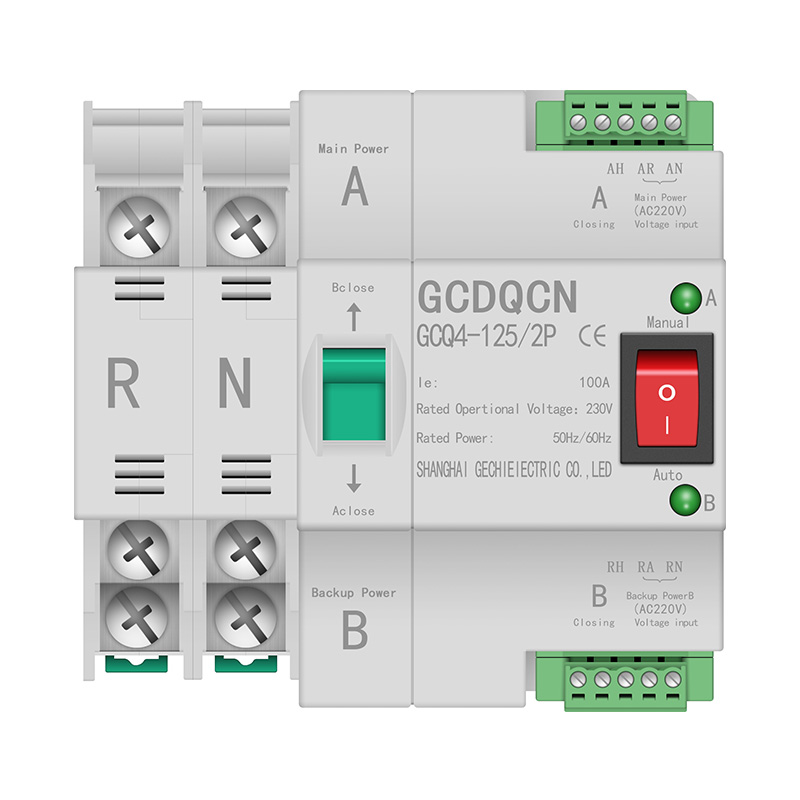
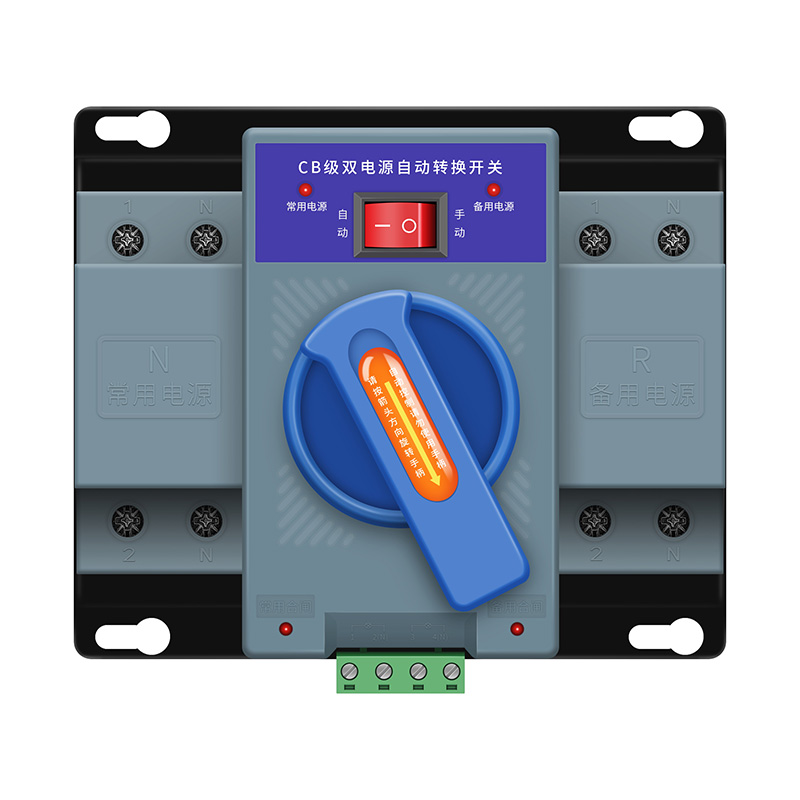
A well-designed Distribution Box Set simplifies this process by providing clear connection points and protective devices for both input and output circuits. When used with automatic transfer switches or hybrid controllers, the system can seamlessly switch between different power sources—such as solar, battery, or grid supply—without causing interruptions. This ensures that stored or renewable energy is utilized efficiently and only supplemented by grid power when necessary, reducing overall energy consumption.
For households or small facilities, the same principle applies to maintaining backup power during outages. The integration of compact automatic transfer components inside a distribution box allows for millisecond-level switching, ensuring continuous operation of critical loads such as lighting, refrigeration, or communication devices.
Energy management is not only about electrical performance but also about accessibility and maintenance. Modern distribution boxes are designed with modular and space-efficient configurations that simplify inspection and component replacement.
Clearly labeled terminals and color-coded wiring reduce the risk of misconnection, while removable covers and tool-free mounting options allow faster access during maintenance.
HOT PRODUCTS
interested?
Contact us!
Xinguang Industrial Zone, Liushi Town, Yueqing, Wenzhou, Zhejiang, China.
+86-0577-62620730
 English
 русский
 عربى
عربى
 Türk
Türk
 ไทย
ไทย