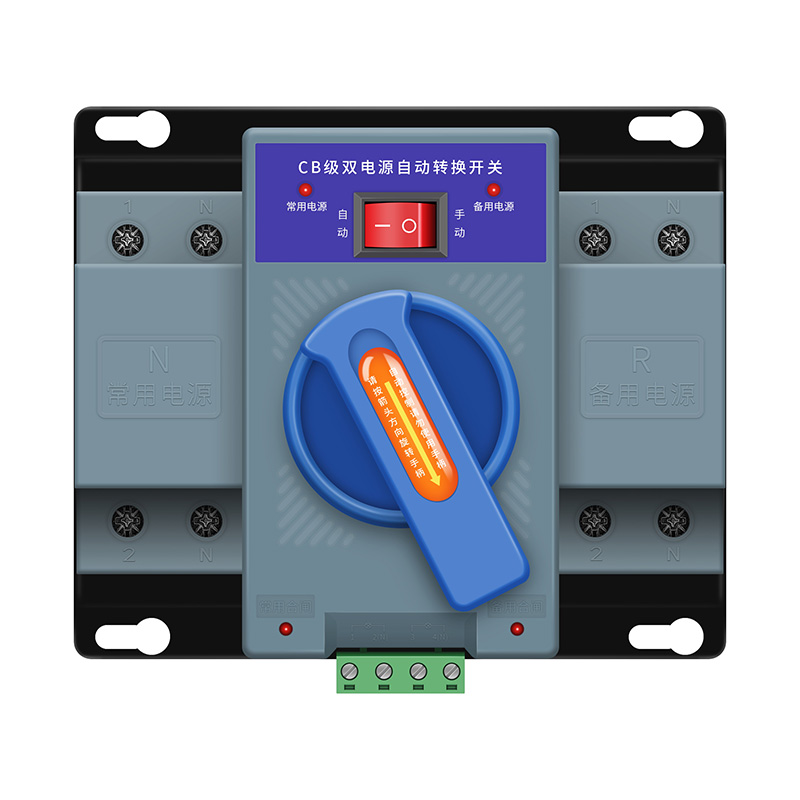
/ Contact Us
Zhejiang Gechi Electric Co., Ltd.
Xinguang Industrial Zone, Liushi Town, Yueqing, Wenzhou, Zhejiang, China.
+86-0577-62620730
/ Contact Us
Zhejiang Gechi Electric Co., Ltd.
Xinguang Industrial Zone, Liushi Town, Yueqing, Wenzhou, Zhejiang, China.
+86-0577-62620730





2026-03-06
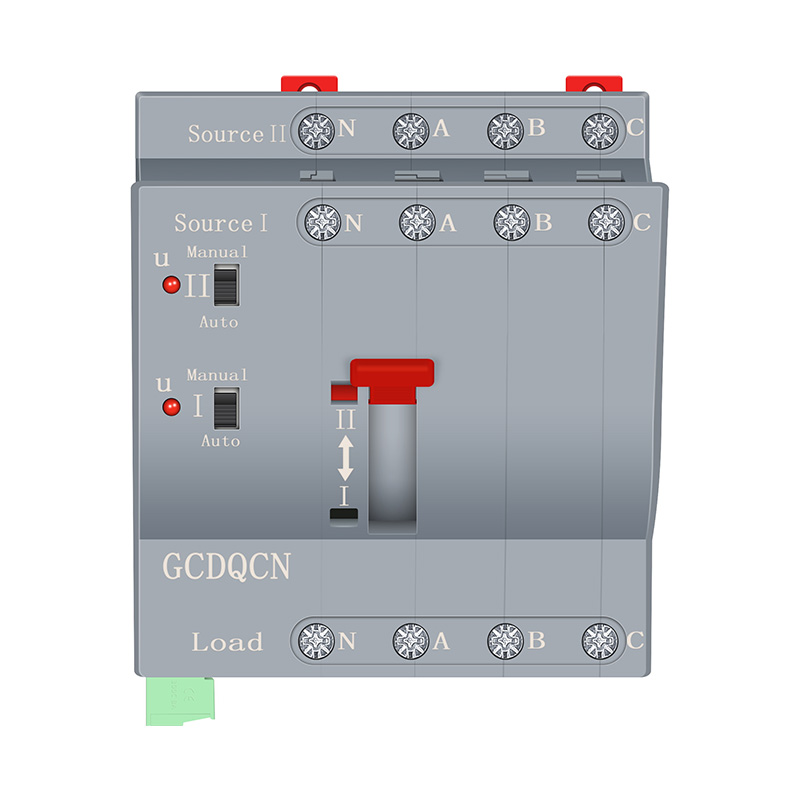
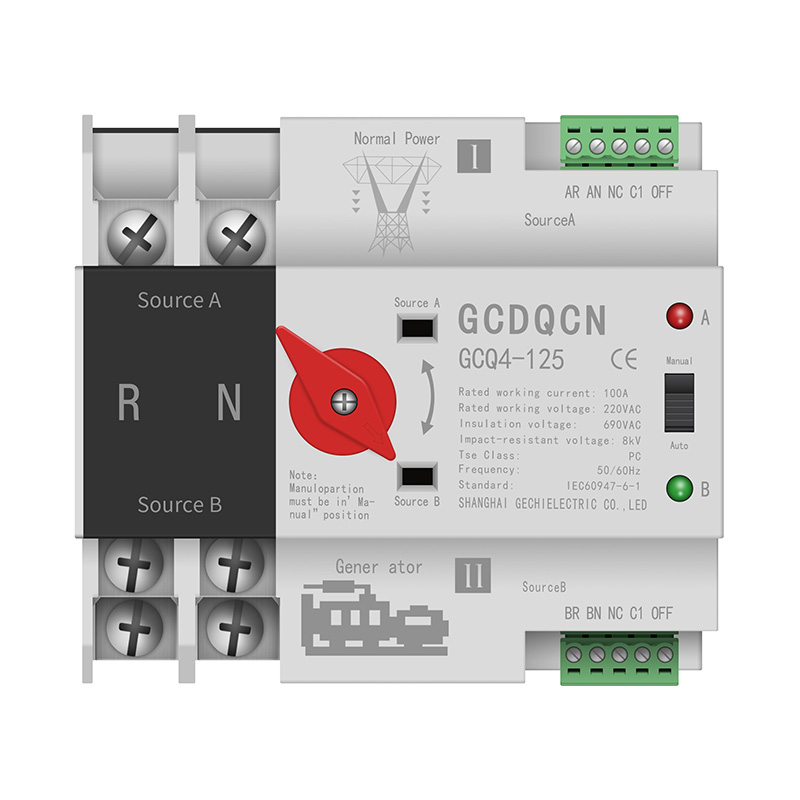
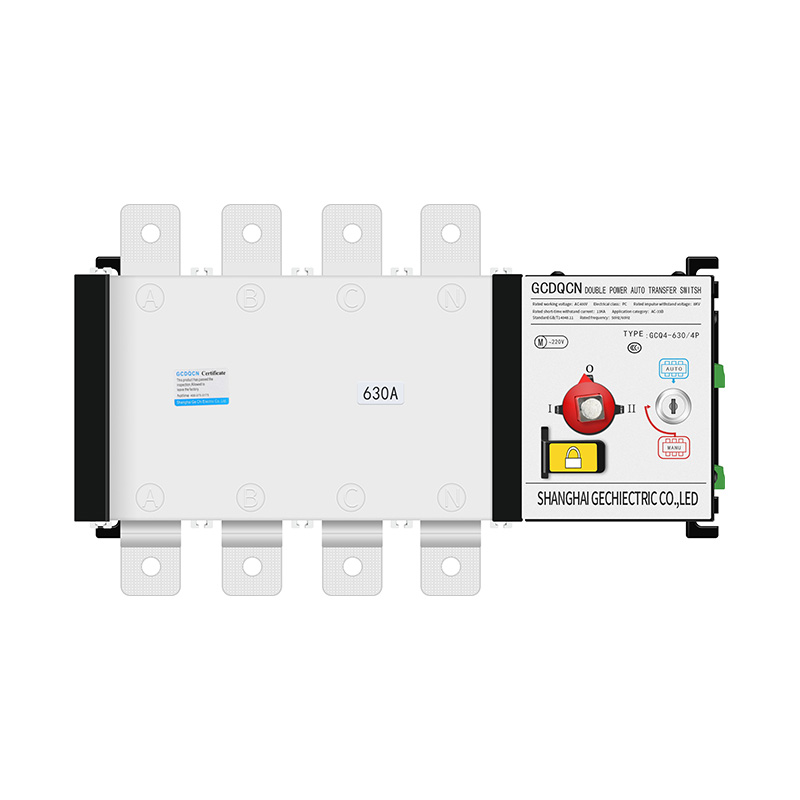
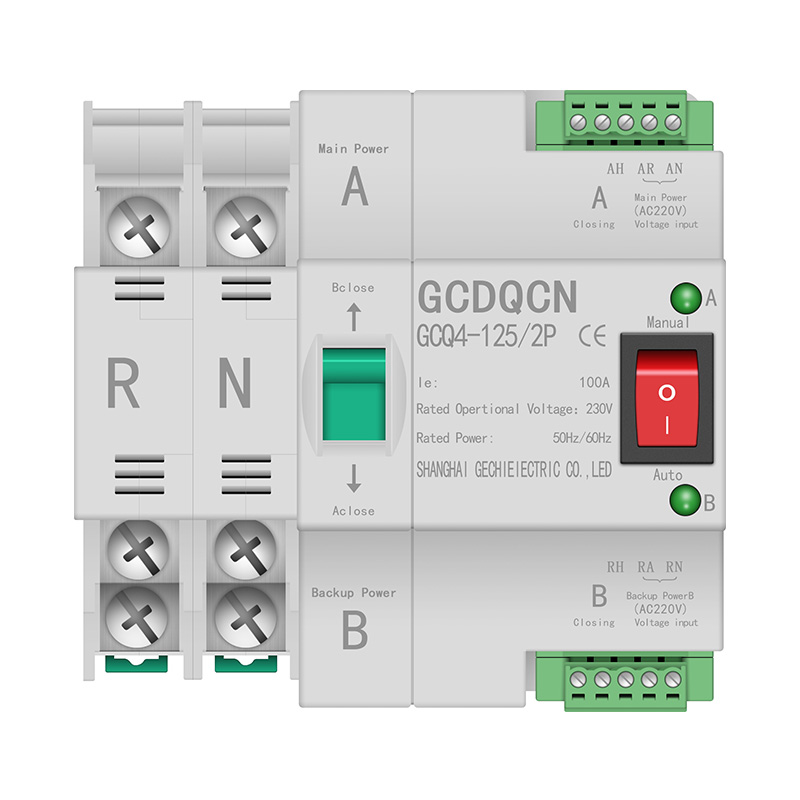
Unexpected voltage instability or grid interruption can quickly disrupt critical operations, especially in pump-driven systems where continuous power is directly linked to water pressure, circulation stability, and equipment protection. In practical installations, a Dual Power Automatic Transfer Switch works in coordination with a Water Pump Control Panel to maintain system continuity when the primary supply becomes unavailable. Rather than simply switching power sources, the system manages timing, electrical conditions, and load behavior to reduce operational disturbance and protect connected equipment.
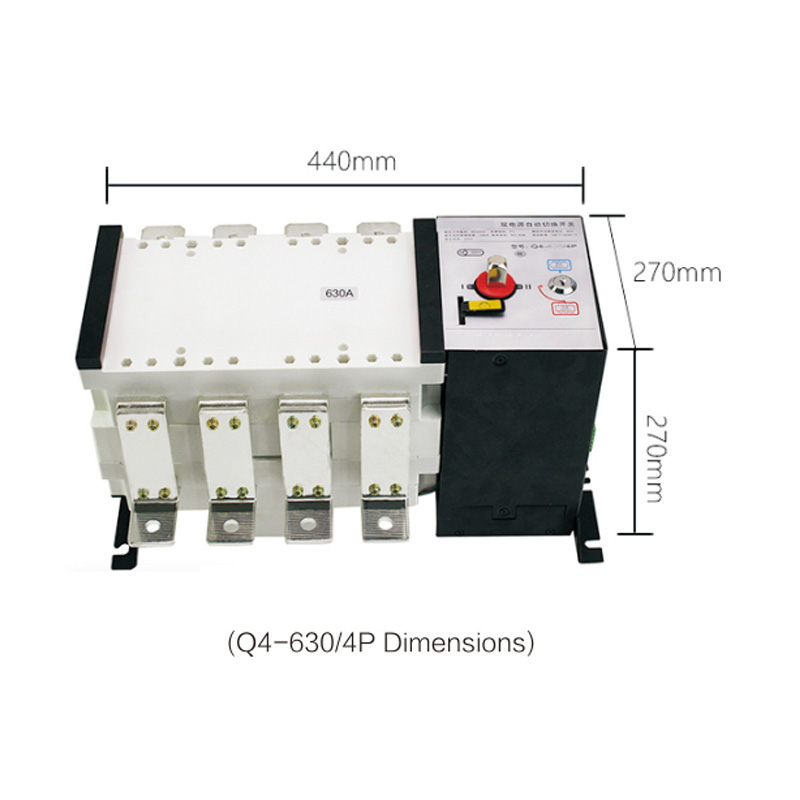
In pump-based systems, a sudden loss of power does more than stop motor rotation. Pressure drops can trigger system alarms, valves may respond unpredictably, and restarting motors without controlled sequencing can introduce mechanical and electrical stress. In municipal water supply, industrial cooling loops, fire protection systems, and irrigation networks, even short interruptions can interrupt service delivery or cause safety concerns. Equipment such as centrifugal pumps depends on stable voltage and controlled startup; abrupt outages followed by uncontrolled restarts may shorten component lifespan. Preventing downtime therefore requires not only backup power availability but also structured switching and coordinated load management.
A Dual Power Automatic Transfer Switch continuously monitors voltage, frequency, and phase condition of the primary power source. When irregularities such as phase loss or voltage deviation exceed preset limits, the controller initiates a structured transfer sequence. The main breaker disconnects from the unstable supply before the standby breaker closes, preventing simultaneous connection of both sources. Time-delay settings verify that the backup supply has stabilized before load engagement, which helps avoid repeated transitions during momentary fluctuations. Once the primary source returns to stable parameters for a defined period, the system automatically reverts. This structured approach avoids abrupt electrical transitions and supports smoother operational recovery rather than a sudden system shock.
The real reduction in downtime becomes evident when the transfer switch and the Water Pump Control Panel operate as an integrated system. The control panel manages pump start logic, motor protection, overload detection, and sequencing, while the transfer switch ensures a stable source is available. After a power transfer, the control panel does not immediately restart all pumps simultaneously; instead, it evaluates voltage recovery and applies programmed delay intervals between motor starts. This reduces inrush current and prevents pressure surges within pipelines. The coordination also allows protection functions—such as dry-run detection, phase monitoring, and current imbalance checks—to remain active throughout the transition. In this way, the system avoids secondary faults that might otherwise occur during recovery from a power event, maintaining operational stability rather than simply restoring electricity.
System performance depends heavily on correct installation and parameter configuration. Several design aspects deserve careful attention:
The standby source must have sufficient capacity to handle pump starting current, not just running load.
Electrical interlocking between breakers must prevent simultaneous source connection.
Cable sizing and short-circuit coordination should align with calculated load conditions.
Signal wiring between the transfer switch and the pump control panel should allow feedback and alarm communication.
Transfer delay parameters should reflect the actual operational characteristics of the pumps and generator.
When these elements are addressed during system design, switching occurs in a controlled and predictable manner. If they are overlooked, unintended tripping or unstable restarts may occur even when the switching device itself is functioning properly.
Preventing downtime is not solely a function of equipment specification; ongoing verification plays a significant role. Periodic simulation of power loss allows technicians to confirm that breaker mechanisms operate smoothly and that delay settings remain appropriate. Mechanical inspection of contact wear, tightening of terminals, and review of event logs help identify early signs of deterioration. In facilities equipped with digital monitoring interfaces, operators can review voltage records and switching history to detect patterns such as repeated fluctuations from the grid supply. Regular coordination testing between the transfer switch and the Water Pump Control Panel ensures that restart sequencing and protective logic remain synchronized. Through structured testing and parameter review, facilities maintain readiness for real-world power disturbances rather than relying solely on theoretical functionality.
HOT PRODUCTS
interested?
Contact us!
Xinguang Industrial Zone, Liushi Town, Yueqing, Wenzhou, Zhejiang, China.
+86-0577-62620730
 English
 русский
 عربى
عربى
 Türk
Türk
 ไทย
ไทย