/ Contact Us
Zhejiang Gechi Electric Co., Ltd.
Xinguang Industrial Zone, Liushi Town, Yueqing, Wenzhou, Zhejiang, China.
+86-0577-62620730
/ Contact Us
Zhejiang Gechi Electric Co., Ltd.
Xinguang Industrial Zone, Liushi Town, Yueqing, Wenzhou, Zhejiang, China.
+86-0577-62620730





2026-03-13
Electrical networks today operate under increasing pressure from fluctuating demand, distributed energy sources, and aging infrastructure. Within this environment, a Dual Power Automatic Transfer Switch working alongside a Water Pump Control Panel plays a practical role in strengthening grid resilience at the facility level. Rather than relying solely on centralized utility stability, these systems allow critical operations—especially pump-driven infrastructure—to maintain continuity when disturbances occur. Their value lies not only in switching between power sources, but in coordinating load behavior, protecting equipment, and supporting controlled recovery during grid instability.
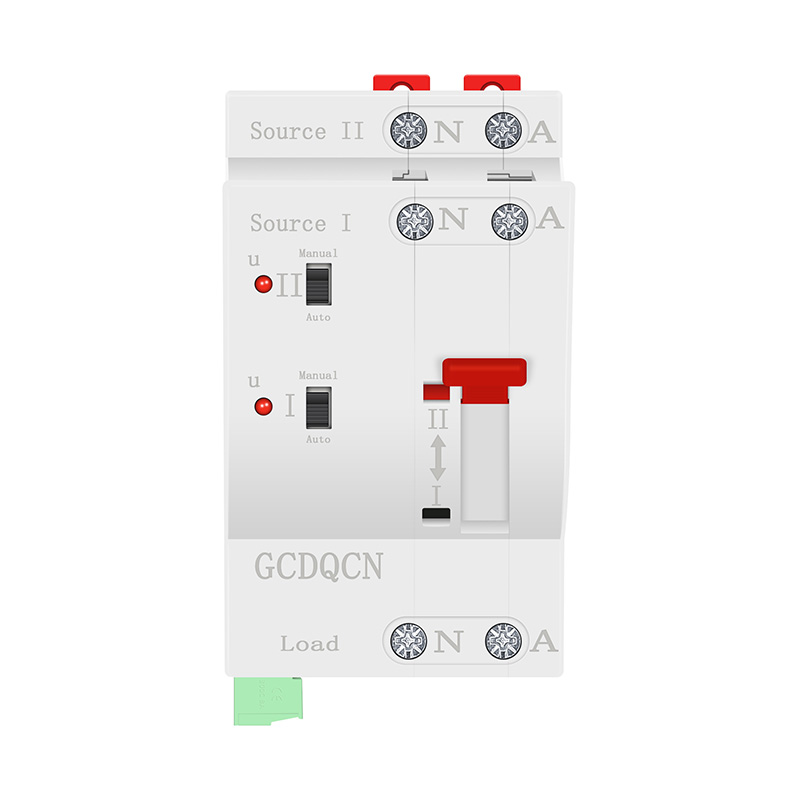
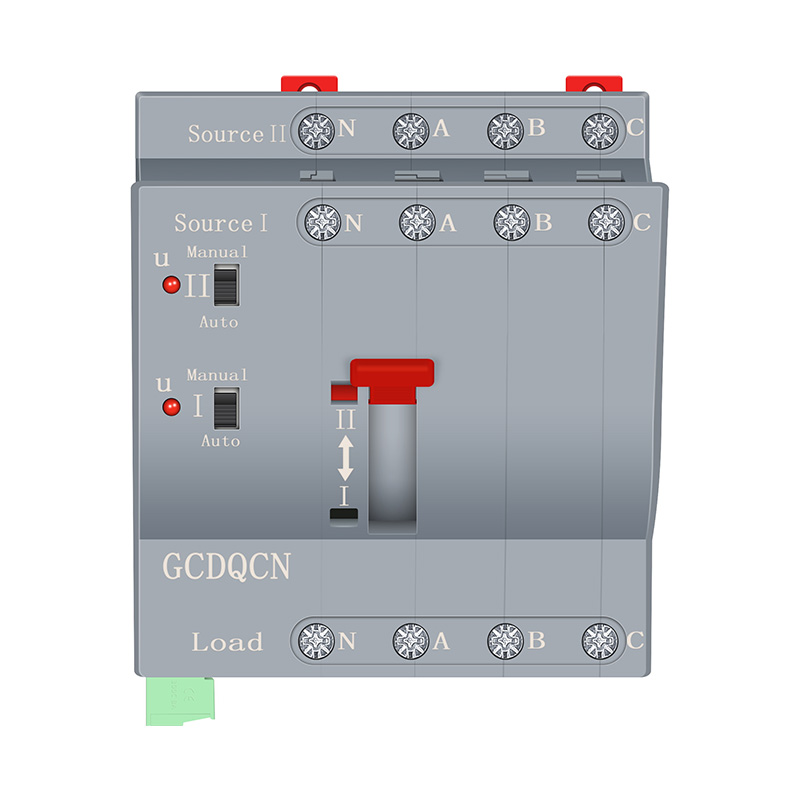
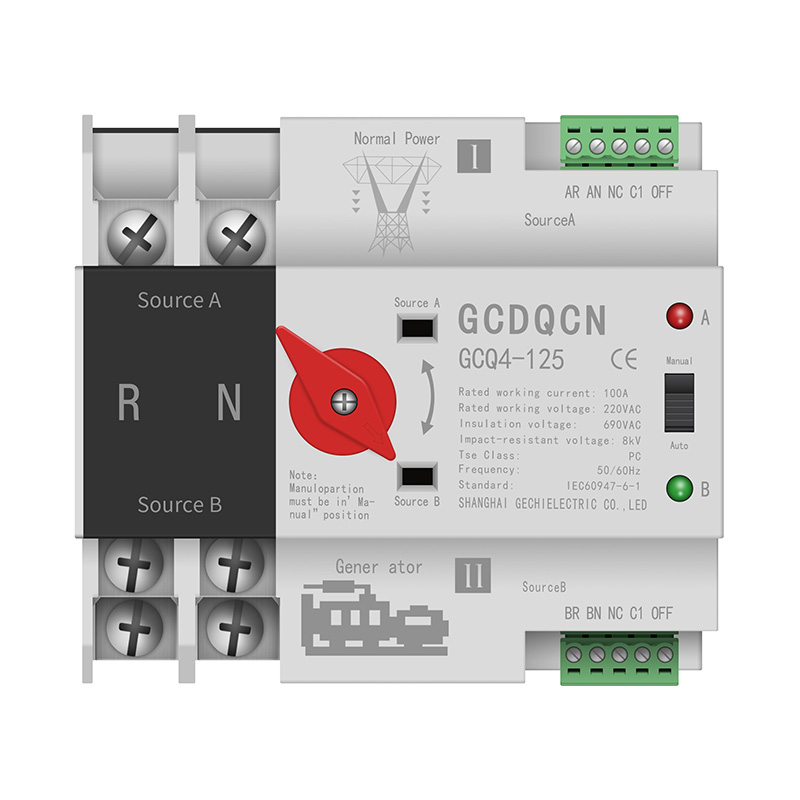
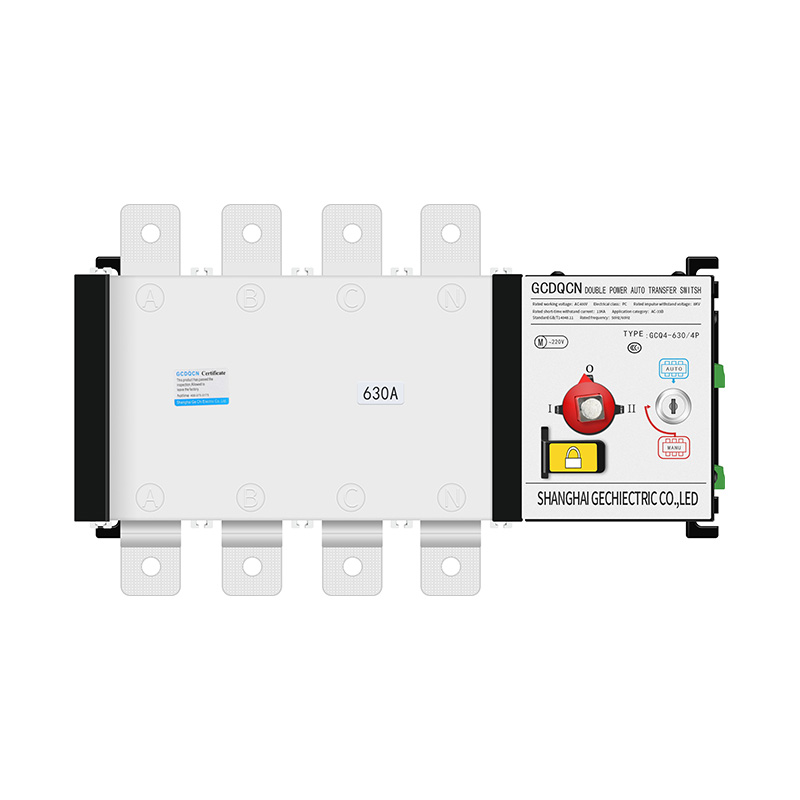
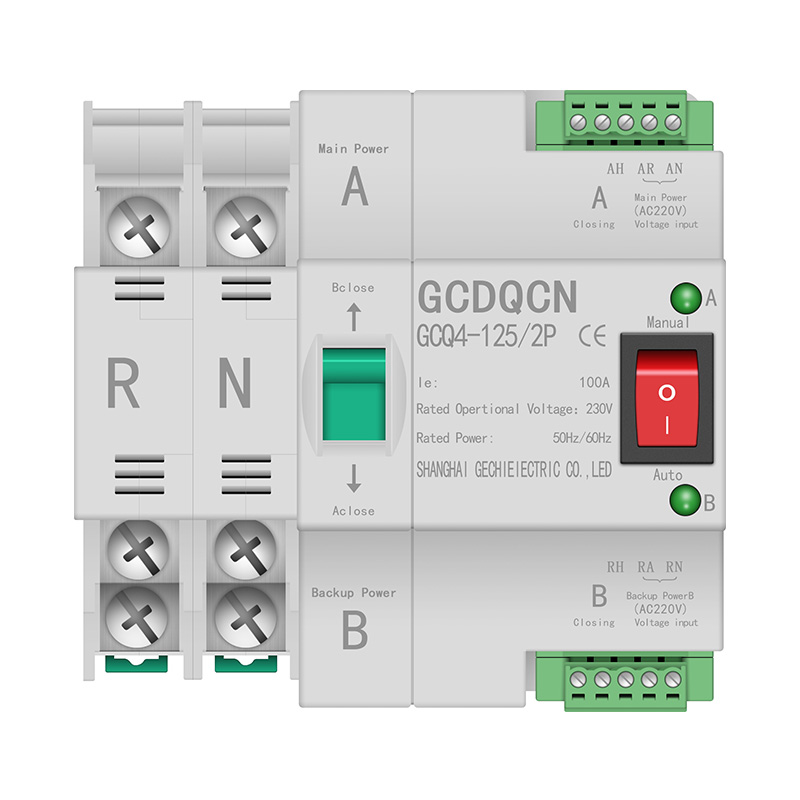
A Dual Power Automatic Transfer Switch continuously monitors incoming power parameters, including voltage level, frequency range, and phase sequence. When these parameters exceed defined tolerance thresholds, the device initiates a programmed sequence to isolate the unstable source before engaging the secondary supply. This sequence avoids simultaneous connection and includes adjustable delay timers to confirm standby source stability.
The importance of timing becomes evident during partial grid recovery. Without delay control, momentary restoration followed by another fluctuation could cause repeated switching, increasing mechanical wear and electrical stress. Proper configuration ensures that reconnection only occurs when conditions remain stable for a preset duration. This reduces oscillation between sources and prevents unnecessary load cycling.
By handling transitions in a predictable manner, the switch helps prevent cascading internal faults that might otherwise occur during irregular voltage events.
While power source selection is critical, how the load responds after switching determines whether resilience is truly achieved. The Water Pump Control Panel governs motor start sequences, overload protection, and operational feedback. When paired with an automatic transfer mechanism, it ensures that pumps restart according to programmed logic rather than simultaneously drawing high inrush current.
Pump motors typically require several times their rated current during startup. If multiple pumps restart at once after a grid disturbance, the resulting surge may overload the backup generator or destabilize the recovering grid supply. Coordinated sequencing through the control panel staggers motor activation, reducing electrical and mechanical stress. Additionally, the panel verifies phase integrity and voltage consistency before enabling motor operation, preventing abnormal rotation or overheating.
This layered approach—source stabilization followed by controlled load restoration—strengthens operational continuity and reduces secondary failure risks during grid fluctuations.
Equipment capability alone does not guarantee effective performance. Several practical installation factors influence how well the system contributes to resilience:
Addressing these technical details during commissioning ensures that the system behaves predictably under real disturbance conditions. Improper parameter selection may result in nuisance tripping or delayed recovery, reducing the intended benefit of backup integration.
As more facilities adopt on-site generation such as diesel generators, photovoltaic arrays with battery storage, or microgrid configurations, coordination between power sources becomes increasingly important. A transfer switch provides a structured interface between utility supply and local generation assets. When grid instability occurs, the system isolates the facility and transitions to the alternative source without manual intervention.
In pump-driven infrastructure, this capability prevents interruption of water circulation or fire protection during external grid disturbances. At the same time, once grid conditions normalize, automatic retransfer ensures that the facility reconnects without complex manual synchronization procedures. By facilitating controlled isolation and reconnection, the system supports hybrid energy arrangements and reduces stress on centralized distribution networks.
HOT PRODUCTS
interested?
Contact us!
Xinguang Industrial Zone, Liushi Town, Yueqing, Wenzhou, Zhejiang, China.
+86-0577-62620730
 English
 русский
 عربى
عربى
 Türk
Türk
 ไทย
ไทย