/ Contact Us
Zhejiang Gechi Electric Co., Ltd.
Xinguang Industrial Zone, Liushi Town, Yueqing, Wenzhou, Zhejiang, China.
+86-0577-62620730
/ Contact Us
Zhejiang Gechi Electric Co., Ltd.
Xinguang Industrial Zone, Liushi Town, Yueqing, Wenzhou, Zhejiang, China.
+86-0577-62620730




2026-03-20
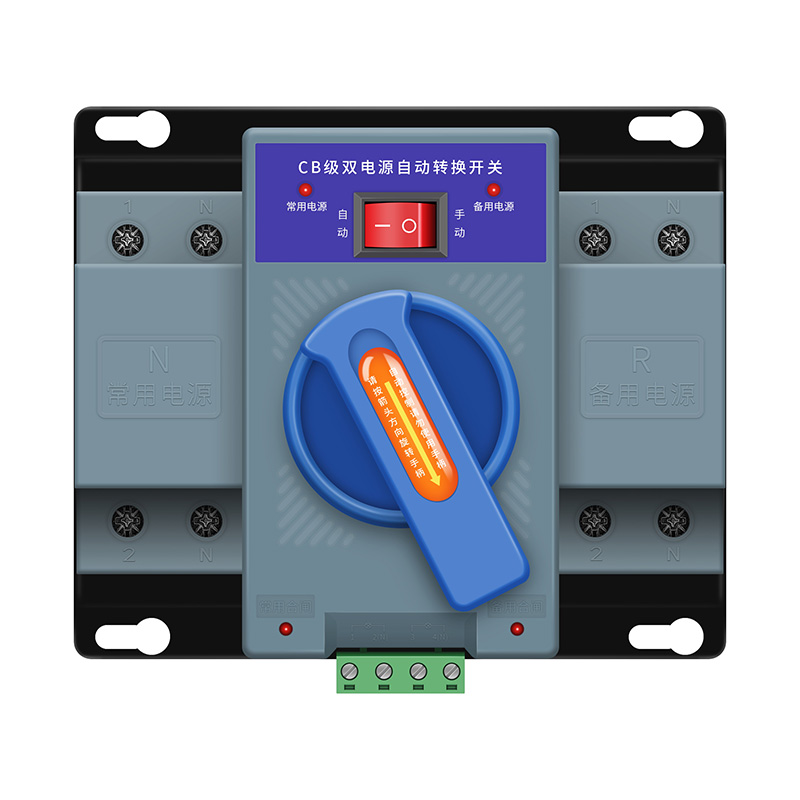
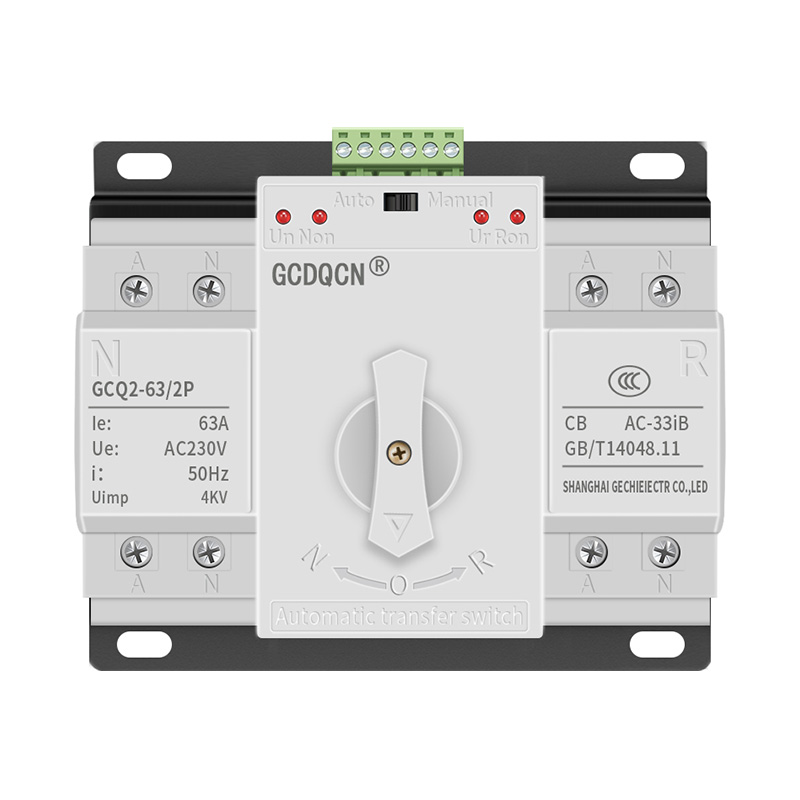
Modern smart buildings depend on integrated electrical and mechanical systems that respond automatically to changing occupancy, environmental conditions, and energy supply status. Within this framework, a Water Pump Control Panel works alongside a Dual Power Automatic Transfer Switch to ensure that water supply, pressure management, and fire protection systems continue operating under both normal and abnormal power conditions. Rather than functioning as isolated electrical cabinets, these systems form part of a broader building automation strategy that emphasizes controlled operation, equipment protection, and coordinated power management.
Smart buildings incorporate centralized monitoring platforms that supervise HVAC systems, lighting, access control, and water distribution networks. Water pumps play a direct role in domestic water boosting, chilled water circulation, heating loops, irrigation, and fire suppression. Unlike traditional buildings where pumps might operate with simple start-stop controls, modern facilities require variable load adaptation, fault reporting, and integration with building management systems (BMS).
Without structured control, pumps may operate continuously at fixed speed regardless of demand, which can create unnecessary wear and inconsistent pressure levels. A dedicated control panel enables automated adjustment based on sensor feedback, such as pressure transmitters or water level sensors. This ensures that system response aligns with actual building demand rather than static settings. When paired with backup power switching capability, pump operations remain stable even if the primary electrical source becomes unstable.
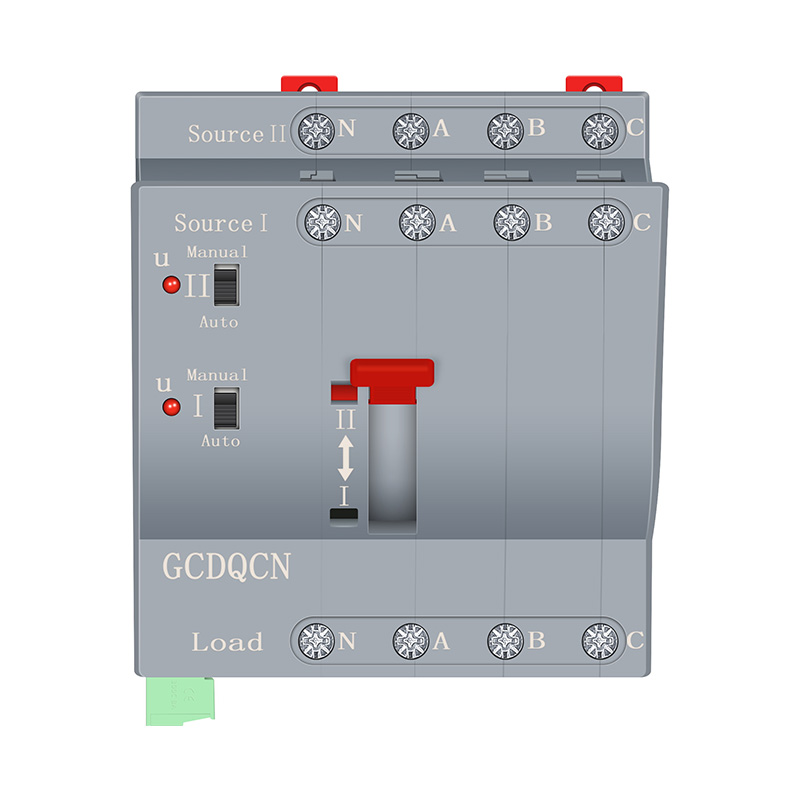
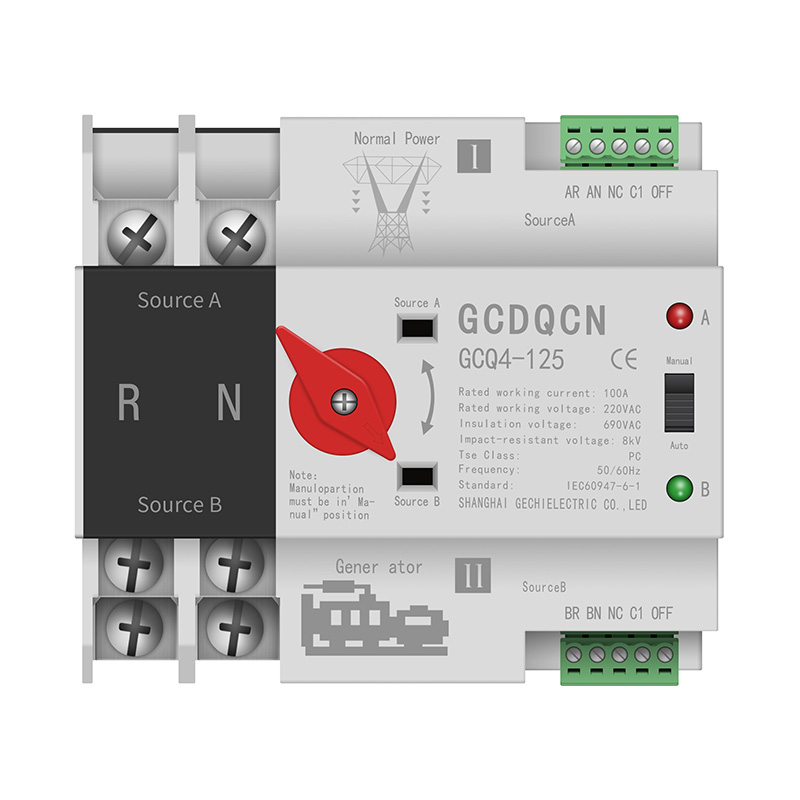
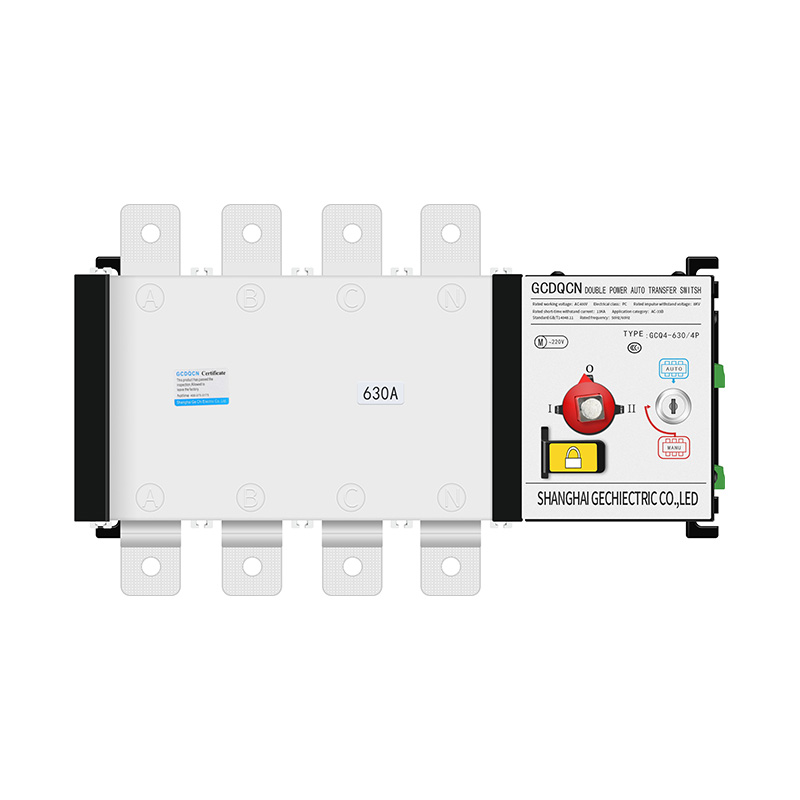
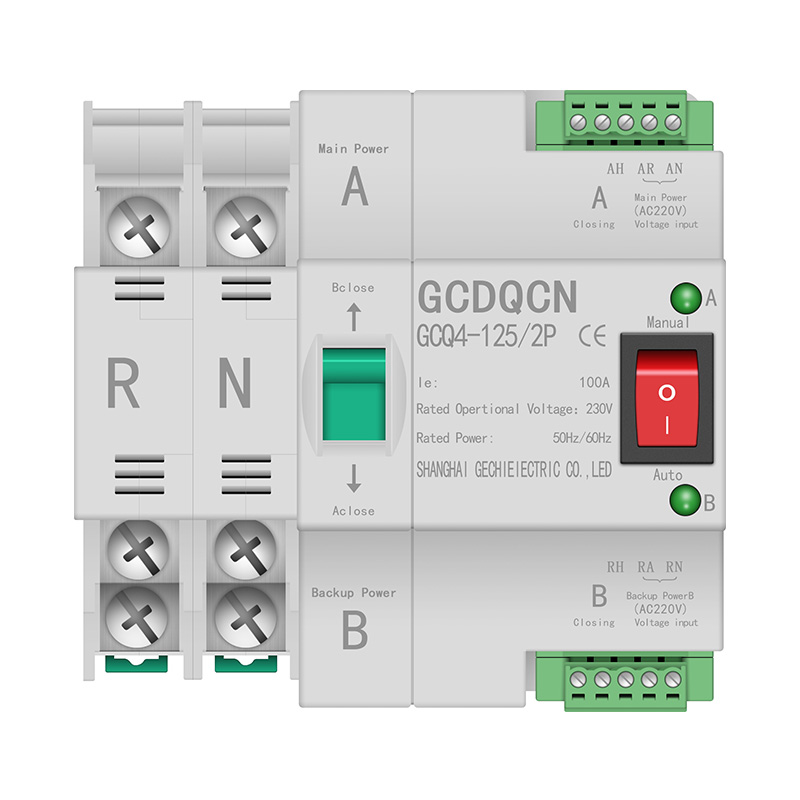
Smart buildings often incorporate backup generators or secondary utility feeders to maintain critical functions during grid interruptions. A Dual Power Automatic Transfer Switch monitors incoming voltage and frequency conditions and shifts between power sources according to preset parameters. This coordination is particularly relevant for water supply systems because abrupt shutdowns can affect building occupants, safety systems, and mechanical equipment.
When the primary source fails, the transfer switch isolates it before engaging the standby supply. The Water Pump Control Panel then verifies voltage stability before initiating pump restart sequences. This layered approach prevents uncontrolled restarts and reduces electrical stress. Once the grid stabilizes, the system transitions back according to programmed delay intervals, ensuring that reconnection occurs only after stable conditions are confirmed. In smart environments where multiple subsystems operate simultaneously, structured switching reduces the risk of simultaneous high-load reconnection.
A Water Pump Control Panel serves as the interface between pump motors and the building’s supervisory system. It collects operational data, processes sensor input, and executes start-stop logic based on programmed parameters. In smart buildings, this integration supports real-time monitoring and data-driven maintenance decisions.
The panel typically communicates through standard protocols, enabling centralized dashboards to display pump status, running hours, current consumption, and alarm conditions. When connected to a Dual Power Automatic Transfer Switch, the automation system can also log switching events and correlate them with pump performance data. This visibility allows facility managers to understand how electrical disturbances influence hydraulic systems and adjust parameters if needed.
From a daily operational perspective, installing a Water Pump Control Panel offers several functional benefits that extend beyond basic motor control:
These functions reduce manual intervention and provide consistent operational behavior. When integrated with a Dual Power Automatic Transfer Switch, pump systems maintain defined operational logic even during external power instability. Instead of relying on manual restart procedures after outages, the coordinated system restores function according to programmed timing and safety checks.
Energy efficiency in smart buildings depends not only on reducing consumption but also on managing load distribution effectively. Pump motors represent a significant portion of mechanical energy demand. A control panel equipped with adjustable parameters allows operation based on actual pressure or flow requirements rather than continuous full-speed operation.
During backup power operation, coordination becomes even more important. Generators often have limited capacity compared to grid supply. By sequencing pump startups and managing motor load, the control panel prevents sudden current spikes that might overload the standby source. The transfer switch ensures that switching between sources does not occur while both breakers are closed, maintaining safe isolation and predictable load behavior.
This coordination supports smoother electrical transitions and helps maintain stable internal distribution conditions within the building.
HOT PRODUCTS
interested?
Contact us!
Xinguang Industrial Zone, Liushi Town, Yueqing, Wenzhou, Zhejiang, China.
+86-0577-62620730
 English
 русский
 عربى
عربى
 Türk
Türk
 ไทย
ไทย