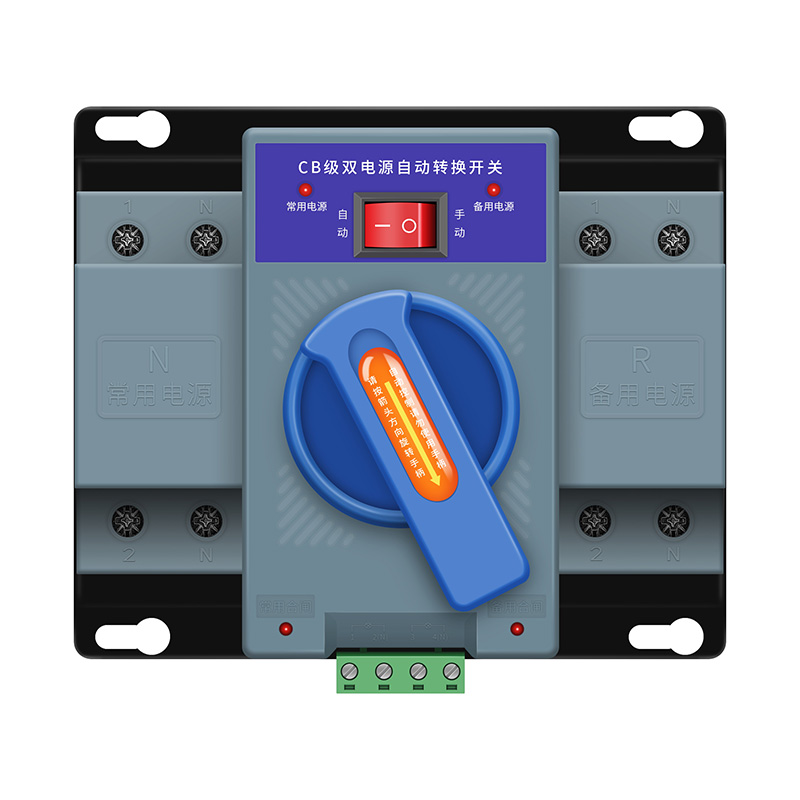
/ Contact Us
Zhejiang Gechi Electric Co., Ltd.
Xinguang Industrial Zone, Liushi Town, Yueqing, Wenzhou, Zhejiang, China.
+86-0577-62620730
/ Contact Us
Zhejiang Gechi Electric Co., Ltd.
Xinguang Industrial Zone, Liushi Town, Yueqing, Wenzhou, Zhejiang, China.
+86-0577-62620730





2026-03-25
Agricultural irrigation systems increasingly depend on stable electrical supply and structured motor management, especially in regions where grid conditions fluctuate or water demand varies seasonally. A Water Pump Control Panel working together with a Dual Power Automatic Transfer Switch provides a coordinated solution for managing pump operation and maintaining continuity during power instability. Rather than functioning as standalone electrical equipment, these systems form part of a practical control strategy that supports irrigation reliability, groundwater extraction, and distribution efficiency in farming environments.
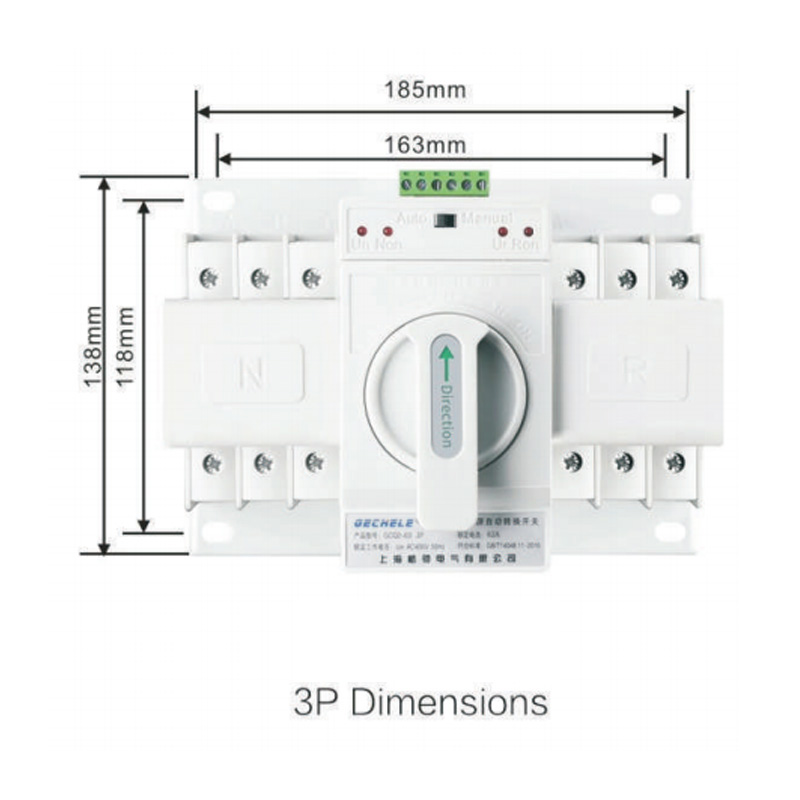
In smaller farms, pumps are sometimes connected directly to a basic breaker or starter device without advanced control logic. While this arrangement may function under simple conditions, it presents limitations when operating across large irrigation zones, deep wells, or variable terrain. Sudden voltage drops, phase imbalance, or unplanned outages can interrupt water supply during critical growth periods. Manual restarting after outages may delay irrigation cycles, especially in remote locations where supervision is not continuous.
A Water Pump Control Panel introduces structured start and stop control, motor protection, and sensor-based automation. Instead of relying solely on manual intervention, the panel manages pump behavior based on pressure switches, water level sensors, or programmed irrigation schedules. This becomes particularly important in agricultural settings where irrigation timing directly influences crop health and soil moisture balance.
Agricultural operations vary widely in scale and complexity. A dedicated control panel becomes increasingly necessary under the following conditions:
When irrigation depends on high-capacity motors, unmanaged startup current can stress both the motor and the local electrical network. Structured sequencing through a control panel reduces the likelihood of nuisance tripping or mechanical strain. In addition, automatic alternation between duty and standby pumps extends operational lifespan by distributing running hours more evenly.
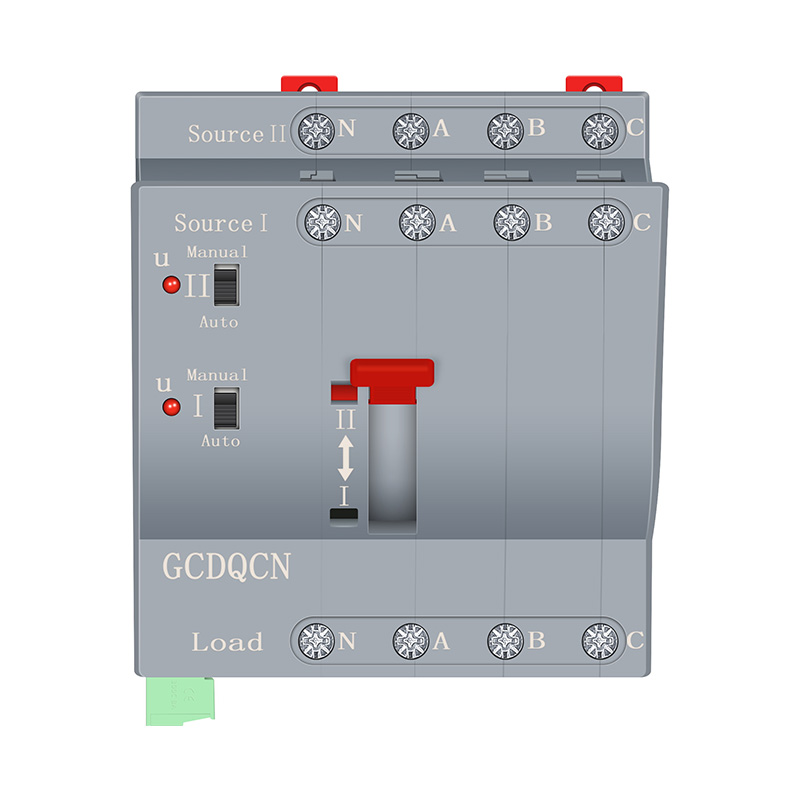
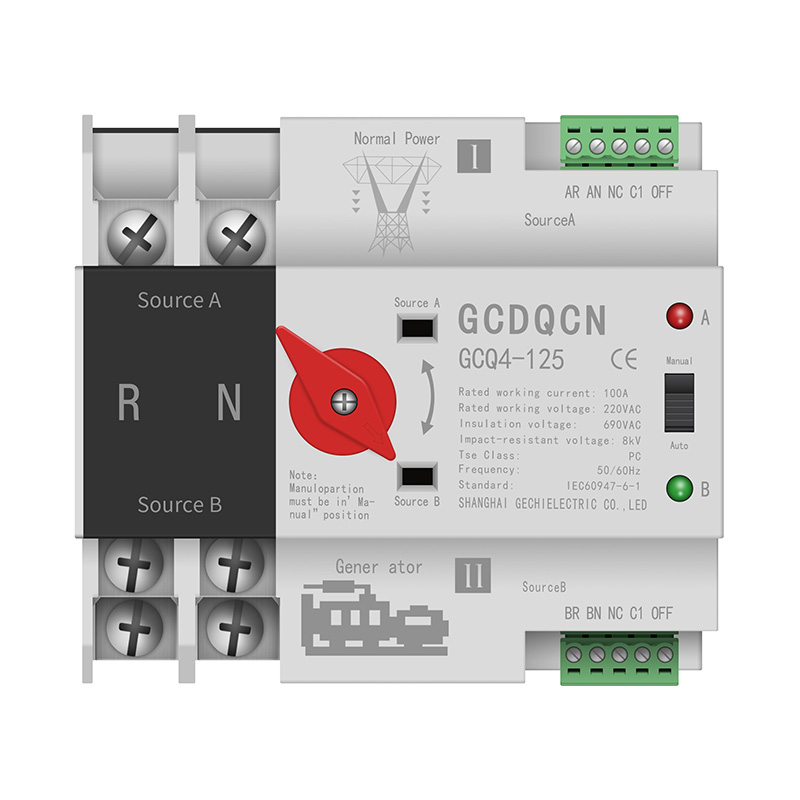
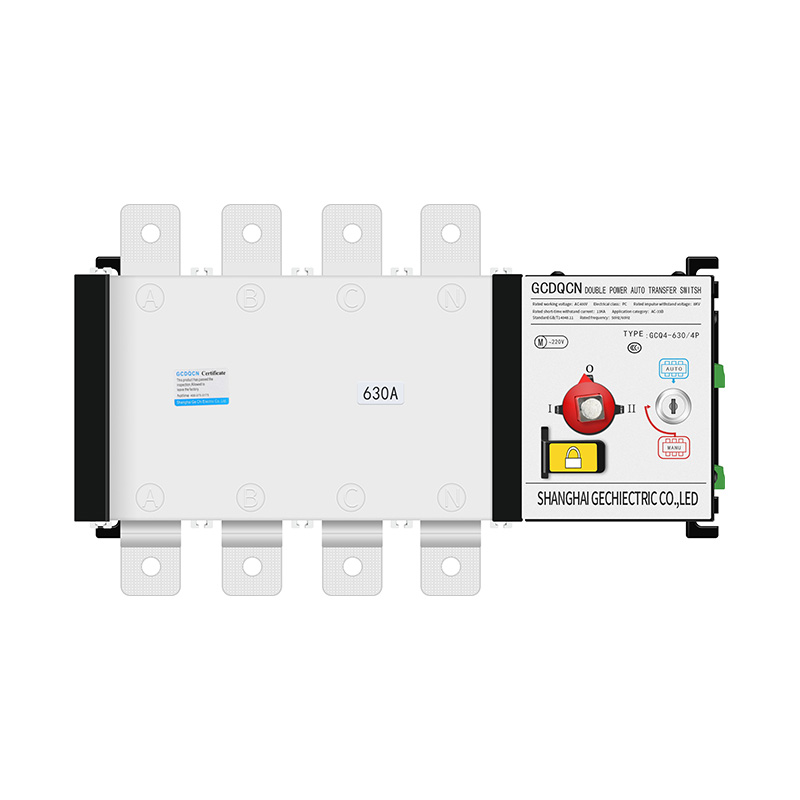
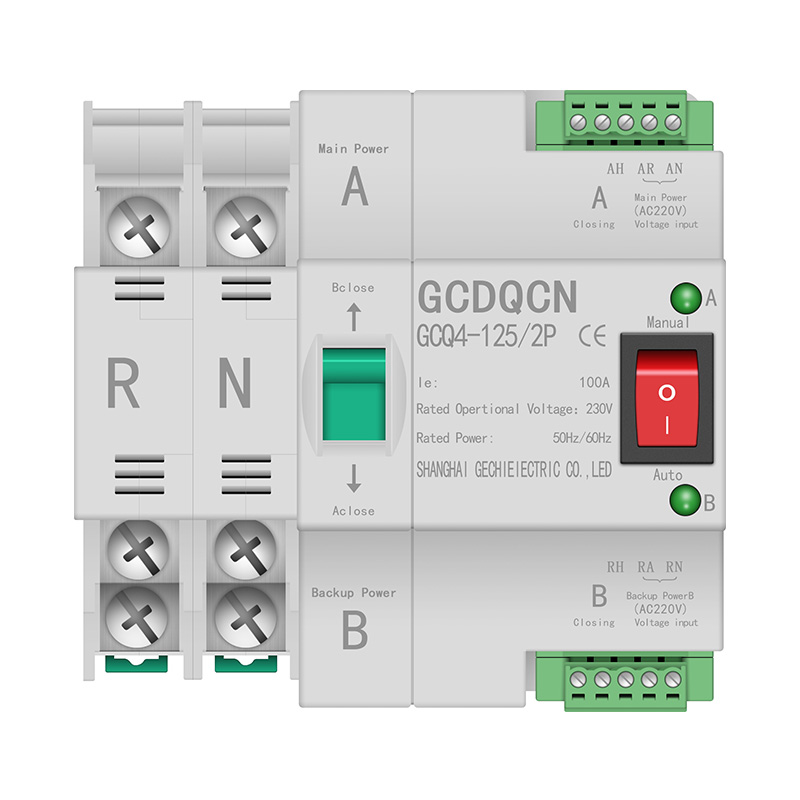
Rural grid infrastructure may experience voltage fluctuations or temporary outages during peak agricultural seasons. Under these conditions, a Dual Power Automatic Transfer Switch supports continuity by transferring the load from the primary grid supply to a standby generator or secondary feeder. This is especially relevant during drought periods when irrigation schedules must be maintained without interruption.
When power failure is detected, the transfer switch isolates the unstable source and engages the backup supply according to preset timing parameters. The Water Pump Control Panel then verifies voltage consistency before restarting the motor. This coordinated response prevents abrupt restart under unstable conditions, which could otherwise cause overheating or mechanical shock. Once grid stability returns, the transfer system transitions back in a controlled manner, ensuring that irrigation flow continues without extended downtime.
Many agricultural sites are adopting solar-powered pumping systems to reduce dependence on grid electricity. In hybrid configurations where solar arrays operate alongside grid supply or diesel generators, structured source management becomes more complex. A Dual Power Automatic Transfer Switch allows orderly switching between available sources without manual rewiring or disconnection.
The Water Pump Control Panel plays a complementary role by regulating motor operation based on available power capacity. For example, when solar output decreases due to weather changes, the system can shift to grid or generator supply without interrupting irrigation cycles. Proper parameter configuration ensures that source switching does not occur while both inputs are connected, maintaining safe electrical separation.
Such coordination supports stable pump performance across varying energy conditions, particularly during extended irrigation seasons.
Agricultural water sources may include wells, reservoirs, or open canals where water levels fluctuate. Running a pump without adequate water supply can cause overheating and damage. A Water Pump Control Panel typically incorporates dry-run protection through level sensors or current monitoring. When abnormal conditions are detected, the panel shuts down the pump to prevent further stress.
Overload and phase-loss protection are equally important in rural electrical networks, where imbalances can occur. Protective relays within the panel monitor current and voltage conditions continuously. When paired with a transfer switch, these protective features remain active regardless of which power source is engaged, ensuring that backup operation does not bypass safety mechanisms.
This layered protection approach supports long-term equipment stability in demanding agricultural environments.
HOT PRODUCTS
interested?
Contact us!
Xinguang Industrial Zone, Liushi Town, Yueqing, Wenzhou, Zhejiang, China.
+86-0577-62620730
 English
 русский
 عربى
عربى
 Türk
Türk
 ไทย
ไทย