/ Contact Us
Zhejiang Gechi Electric Co., Ltd.
Xinguang Industrial Zone, Liushi Town, Yueqing, Wenzhou, Zhejiang, China.
+86-0577-62620730
/ Contact Us
Zhejiang Gechi Electric Co., Ltd.
Xinguang Industrial Zone, Liushi Town, Yueqing, Wenzhou, Zhejiang, China.
+86-0577-62620730





2026-02-13
Electrical distribution is an essential aspect of industrial and commercial operations, where the safe and organized delivery of power can influence both operational continuity and equipment longevity. Distribution Box Sets and Electrical Distribution Cabinets are designed to centralize control, provide protection, and organize electrical circuits within a single enclosure. Understanding the components inside these systems helps technicians, engineers, and facility managers maintain and operate them effectively.
At the core of many distribution cabinets are circuit breakers, which provide protection against overcurrent conditions. Molded Case Circuit Breakers (MCCBs) are commonly used for higher-rated circuits, offering adjustable trip settings and the ability to interrupt significant currents. Miniature Circuit Breakers (MCBs) are often employed for lower-current branches, providing compact protection for individual circuits. These devices isolate affected circuits when abnormal currents occur, helping prevent damage to wiring or connected equipment.
Residual Current Devices (RCDs) or Ground Fault Circuit Interrupters (GFCIs) are frequently included in Distribution Box Sets to detect leakage currents. When a current imbalance occurs, these devices quickly interrupt the circuit, reducing the risk of electrical shocks to personnel and damage to equipment. RCDs complement the protection provided by circuit breakers, particularly in areas where human contact with electrical systems is possible.
Electrical Distribution Cabinets often integrate Surge Protective Devices (SPDs) to manage transient voltage events, such as lightning strikes or switching surges. These components help maintain stable voltage levels across the system and prevent electronic equipment from being affected by sudden spikes. Including SPDs in a cabinet contributes to the overall integrity of the power distribution system.
Busbars are essential components that distribute electrical power from incoming sources to outgoing circuits. Typically made of copper or aluminum, busbars provide low-resistance pathways for current flow. They are arranged to maintain clear separation between phases, neutral, and grounding connections. Organized busbar layouts simplify installation, maintenance, and troubleshooting while supporting multiple branch connections.
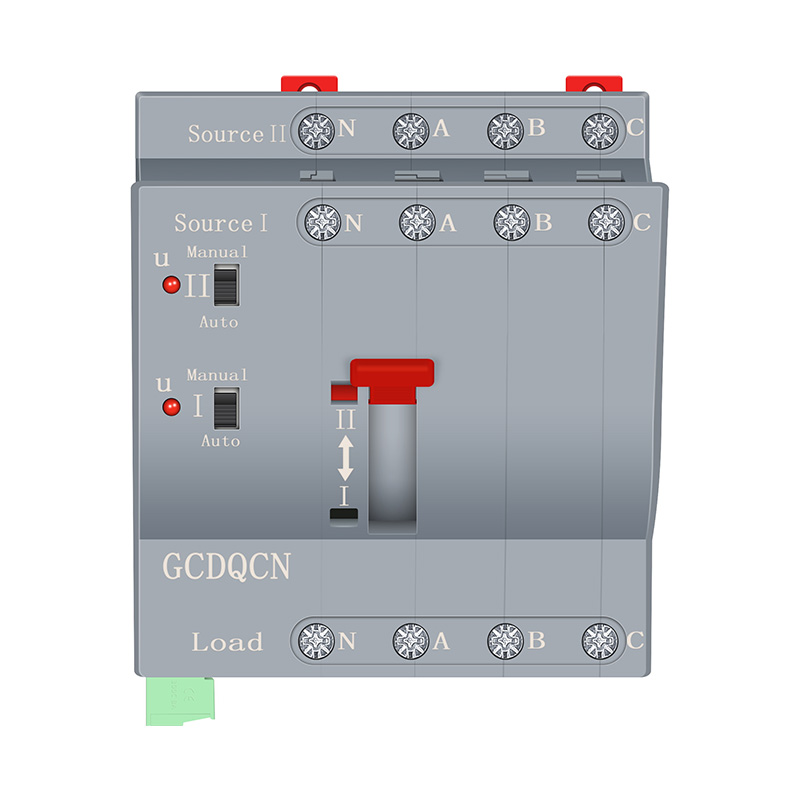
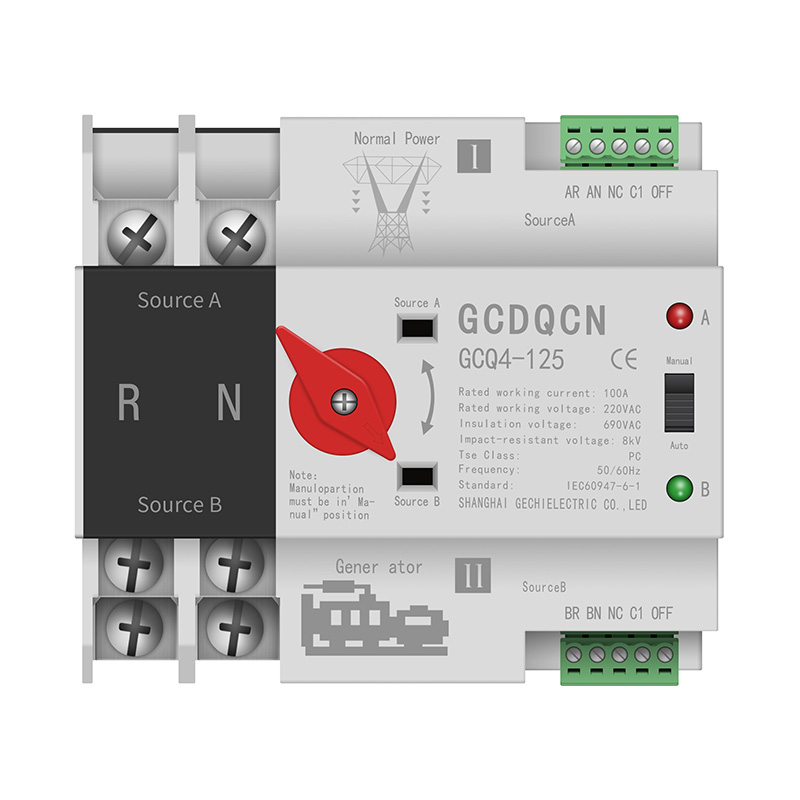
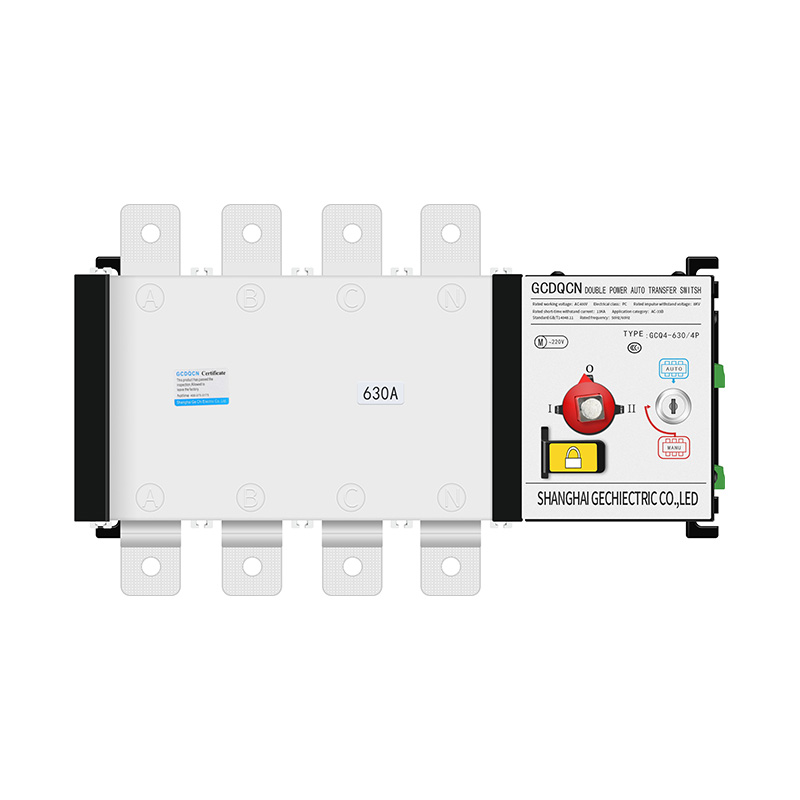
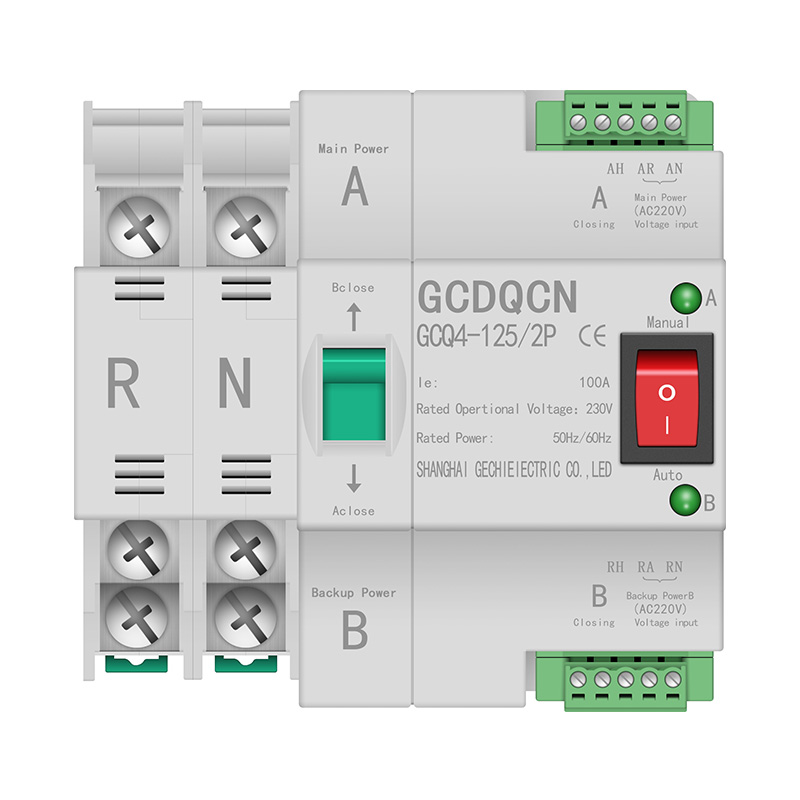
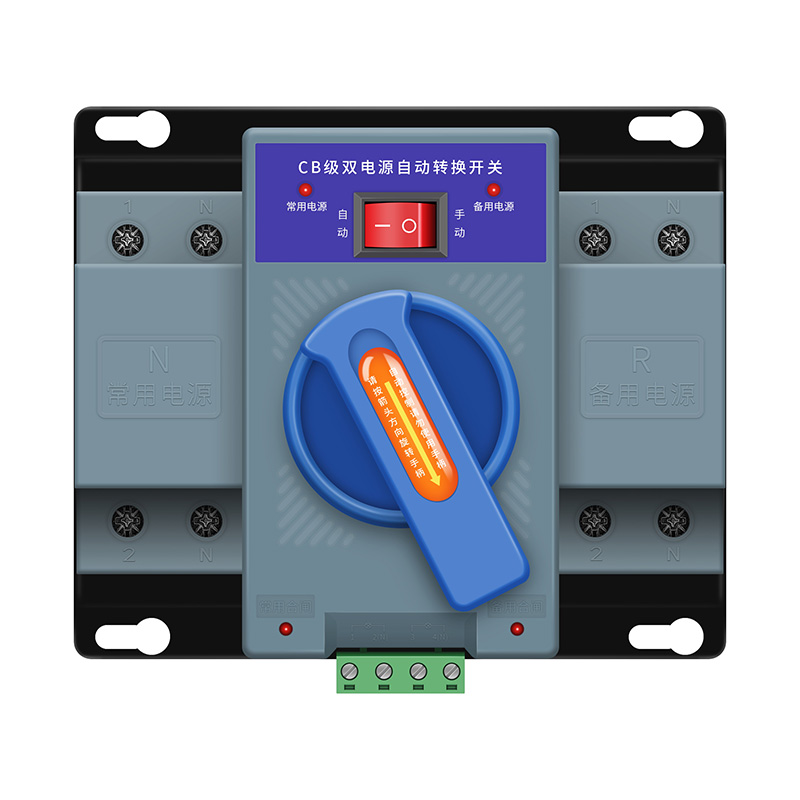
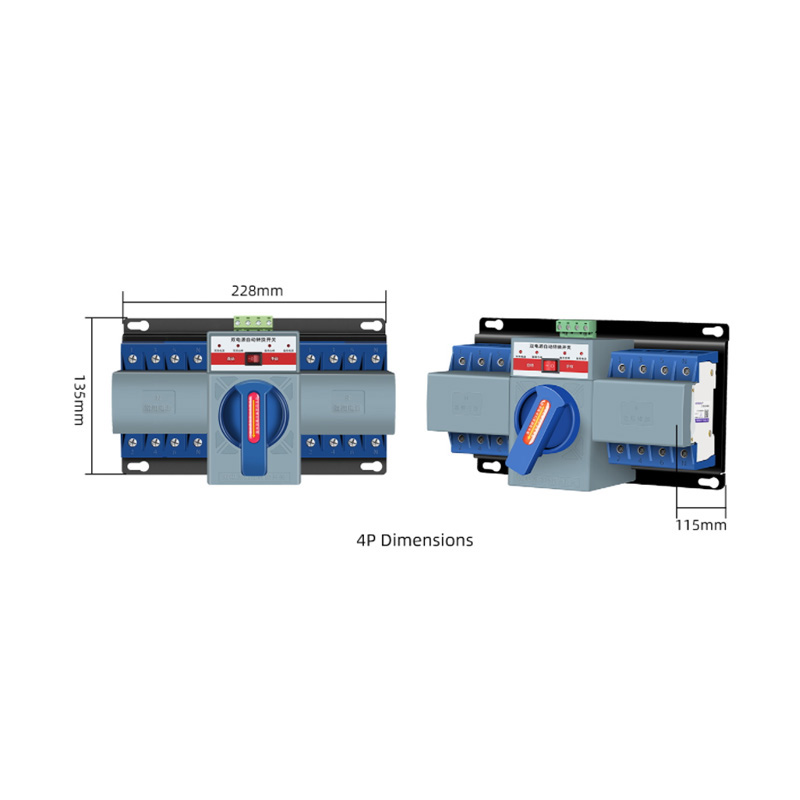
Some Electrical Distribution Cabinets include motor-driven or manual switching devices, such as Automatic Transfer Switches (ATS). These components allow power to be redirected between primary and backup sources as needed. Automatic operation can detect power interruptions and switch sources within seconds, while manual operation provides control for testing and maintenance. Including these mechanisms adds flexibility to power management and helps ensure continuity of service when multiple sources are available.
Many distribution boxes include visual indicators such as LEDs or analog meters to display the status of circuits. These indicators provide immediate feedback on operational conditions, alerting personnel to faults, overloads, or other irregularities. Advanced cabinets may also incorporate monitoring interfaces that connect to building management systems or IoT platforms, enabling data collection on voltage, current, and energy usage without physically accessing the enclosure.
The physical structure of Electrical Distribution Cabinets and Distribution Box Sets contributes to operational safety. Cabinets are designed with adequate spacing, ventilation, and insulation to prevent accidental contact and reduce overheating risks. Lockable doors and clear labeling improve security and help technicians navigate the internal layout without confusion. Materials such as steel or reinforced aluminum provide mechanical durability while accommodating the weight of internal components.
Distribution Box Sets often use modular designs, allowing individual components to be replaced or expanded without significant modification to the entire system. This approach supports gradual upgrades, maintenance, and adaptation to changing load requirements. Modular layouts also make it easier to isolate sections for repair, testing, or inspection, reducing the impact on other circuits.
Regular inspection of internal components is important for sustained performance and safety. Checking for loose connections, dust accumulation, or signs of wear on breakers, busbars, and switches ensures that the system remains functional. RCDs and SPDs should be tested periodically according to recommended intervals to confirm proper operation. Proper maintenance helps maintain system clarity and reduces the likelihood of unexpected interruptions.
HOT PRODUCTS
interested?
Contact us!
Xinguang Industrial Zone, Liushi Town, Yueqing, Wenzhou, Zhejiang, China.
+86-0577-62620730
 English
 русский
 عربى
عربى
 Türk
Türk
 ไทย
ไทย